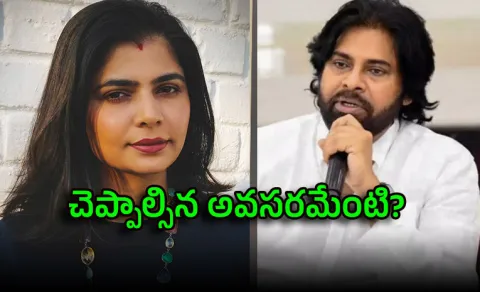
In a recent social media post that has gone viral, renowned singer Chinmayi Sripaada expressed her views on the congratulatory messages directed towards Tamil lyricist Vairamuthu from various political figures and celebrities. This discussion was sparked after notable actors like Kamal Haasan extended their congratulations to Vairamuthu, who has faced serious allegations of sexual harassment against multiple women.
Chinmayi, known for her candid opinions, criticized the political endorsements, particularly highlighting a tweet where she called into question the appropriateness of these accolades. She specifically mentioned the office of Andhra Pradesh’s Deputy Chief Minister, which had also sent its congratulations to Vairamuthu. In her tweet, she remarked, “With due respect – I am pretty sure Pawan Kalyan Garu has no idea about the poet.” She emphasized that the Deputy Chief Minister’s office should inform Kalyan about the troubling history of the lyricist, who has been accused of molestation by numerous women.
The singer’s remarks reflect a growing concern in the film industry regarding the treatment and acknowledgment of individuals with questionable pasts. Chinmayi’s post not only draws attention to Vairamuthu’s controversial reputation but also questions the necessity of political figures extending goodwill to a lyricist embroiled in such serious allegations. “What is the need for so many politicians to wish a film song lyricist?” she pondered, expressing her bewilderment over the situation.
This incident is particularly poignant in the context of the #MeToo movement, during which Vairamuthu was accused by several women, including Chinmayi herself, of sexual misconduct. The movement has brought to light many issues regarding the treatment of women in various industries, including the entertainment sector. Following these allegations, Chinmayi has consistently voiced her concerns, advocating for a more responsible response from the industry and its stakeholders.
Chinmayi’s comments have sparked a broader debate about accountability and the culture of silence that often surrounds allegations of misconduct in the film industry. Many have rallied around her, supporting her stance and urging that those who have been accused of such serious offenses should not receive public endorsements or accolades. This situation raises important questions about the responsibility of public figures to acknowledge past wrongs and the impact of their endorsements on victims of harassment.
As the conversation continues to evolve, the implications of these acknowledgments from political figures may lead to increased scrutiny of how the entertainment industry and its associations handle allegations of misconduct. Chinmayi’s passionate plea for awareness and accountability serves as a reminder of the ongoing struggle for justice and recognition for victims of harassment, further igniting discussions within both the film and political arenas.