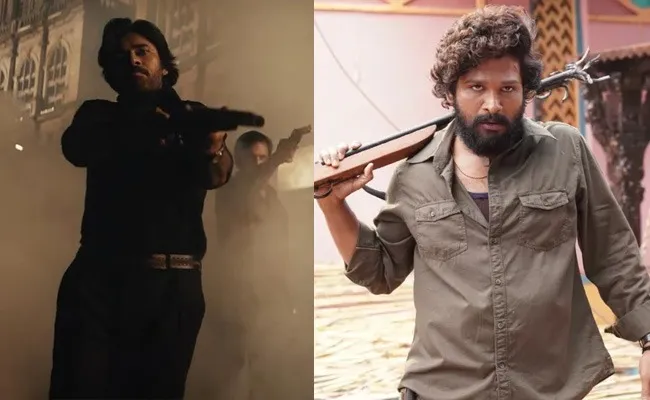
Opinion: PK’s ‘OG’ More Dangerous Than ‘Pushpa’!
Pawan Kalyan, the popular actor and politician, has recently stirred the pot with his indirect critique of Allu Arjun’s blockbuster film, Pushpa. In a statement that has caught the attention of fans and critics alike, Kalyan suggested that contemporary heroes are glamorizing the portrayal of smugglers and other unsavory characters. His comments have sparked a flurry of reactions across social media platforms, with many taking to Twitter and Facebook to express their views.
Controversial Remarks Stir Debate
First of all, Kalyan’s critique raises important questions about the influence of cinema on societal values. He posits that films like Pushpa may inadvertently glamorize crime and unethical behavior, framing the protagonist’s illegal activities in an appealing light. In a society that often grapples with moral dilemmas, the depiction of such characters can have far-reaching implications. Critics argue that while it is essential for filmmakers to explore complex narratives, the glorification of criminality can lead to a troubling normalization of such behavior in the minds of young viewers.
The Power of Cinema and Its Impact
Film, as an art form, holds immense power to shape perceptions and influence behavior. Kalyan’s comments echo a growing sentiment among various stakeholders in the film industry who believe that filmmakers should take greater responsibility for the messages they convey. In an age where the lines between fiction and reality are increasingly blurred, the narratives we present on screen can significantly impact societal attitudes and beliefs.
Moreover, Kalyan’s remarks appear to come from a place of concern for the future of cinema and the potential ramifications of portraying illegal activities as heroic endeavors. Many fans of Pushpa argue that the film is a work of fiction and should not be taken as a reflection of reality. They emphasize that the entertainment industry’s role is to provide escapism rather than to serve as a moral compass. However, Kalyan’s opinion adds a layer of complexity to this discussion, urging audiences to critically assess the content they consume.
A Divided Fanbase
The reactions to Kalyan’s comments have been divided. Supporters laud him for being forthright and for advocating a responsible approach to storytelling. They argue that he is merely highlighting an important issue that deserves attention. Conversely, others feel that his remarks are unnecessarily critical and detract from the artistic expression represented in films like Pushpa. This division has reignited debates around celebrity influence and accountability in the industry, inviting further discourse on how films should navigate these turbulent waters.
Conclusion: A Call for Reflection
As the conversation around Kalyan’s sentiments continues to evolve, it reminds audiences and filmmakers alike of the weight that storytelling carries. While films can entertain, they should also invite reflection and discussion on ethical considerations. Perhaps Kalyan’s critique of Pushpa will encourage creators to explore more responsible narratives while also challenging viewers to engage more critically with the content they consume.
In the realm of cinema, every opinion counts, and as fans, we must navigate these discussions with an open mind, ready to engage in meaningful dialogue about the impact of our heroes, both on and off the screen.