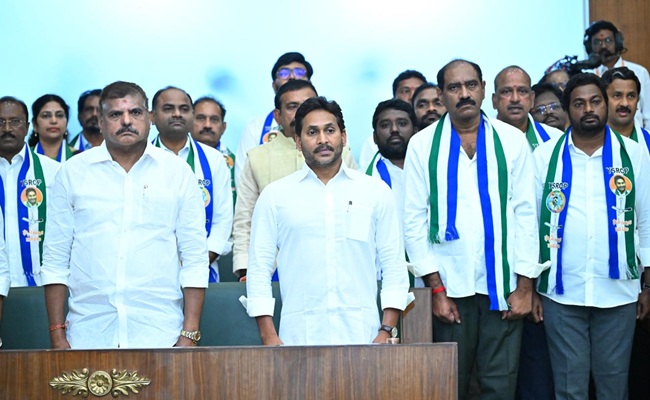
Putta Mahesh Kumar Yadav, a Member of Parliament representing the Telugu Desam Party (TDP) from Andhra Pradesh, has been granted bail following his arrest during a police raid at a farmhouse in Moinabad, located near Hyderabad. The raid, which took place on Saturday night, resulted in the apprehension of six individuals who tested positive for illegal drug use.
The incident has sparked significant media attention due to the involvement of a sitting MP and the circumstances surrounding the police operation. Authorities conducted the raid after receiving tips about illicit activities occurring at the farmhouse, which is reportedly known for hosting gatherings that may involve substance abuse. Upon arrival, law enforcement found multiple individuals in possession of drugs, leading to the arrests.
Yadav, along with the other detainees, underwent testing that confirmed the presence of drugs in their systems. This development raised serious questions about the behavior of public figures and their responsibility to uphold the law. The TDP MP’s situation has become a focal point in discussions regarding drug use and the accountability of politicians.
Shortly after his arrest, Yadav filed for bail, which was granted on Sunday, allowing him to return to his constituents while the legal process continues. His release has prompted mixed reactions, with some supporters expressing relief and others voicing concerns over his conduct. Critics argue that such incidents tarnish the image of elected officials and undermine public trust in the political system.
The TDP has yet to make an official statement regarding Yadav’s arrest and subsequent bail, leaving many to speculate about the party’s stance on this issue. As the investigation unfolds, responses from party leadership and further developments in the case are anticipated. Legal experts suggest that the circumstances surrounding the raid and the evidence obtained will play a crucial role in determining the outcomes for those arrested.
This incident is part of a larger conversation in India about drug abuse and the influence of substance use in various sectors of society, including politics. With growing awareness of the issue, there are increasing calls for stricter regulations and preventative measures to address drug-related problems.
As the situation evolves, all eyes will be on Yadav and the other individuals involved to see how they navigate the legal challenges ahead. The case highlights the intersection of law, politics, and public perception, raising critical questions about responsibility and integrity among elected officials.