Naidu! Right Time To Break Freebie-Culture
In a pivotal development that resonates beyond the confines of a single state, the political landscape of India has taken a substantial turn. The recent defeat of Y.S. Jagan Mohan Reddy’s government has ignited a conversation that many believe is long overdue: the urgent necessity to dismantle the pervasive freebie culture that has taken root within Indian politics.
The Implications of Political Change
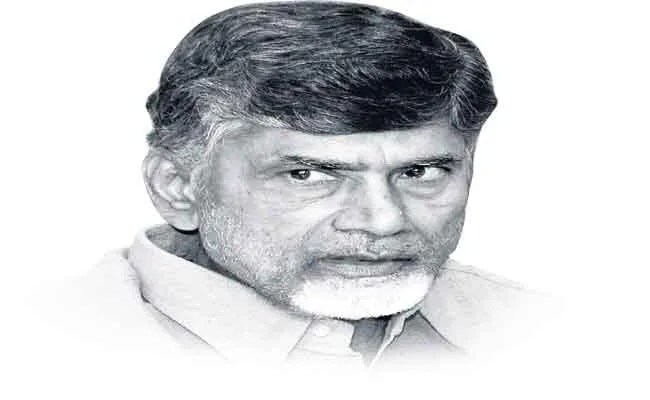
This electoral outcome does not merely signify a shift in power dynamics but embodies a larger message—one calling for a reassessment of governance strategies that prioritize sustainable development over short-term benefits. The defeat serves as a wake-up call, emphasizing the need for leaders like N. Chandrababu Naidu to advocate for policies that foster economic growth rather than rely on populist measures that ultimately burden the state’s finances.
A Call for Responsible Governance
The rhetoric surrounding freebies, while popular among voters seeking immediate relief, poses a significant challenge to fiscal responsibility. These handouts can dilute the accountability of elected officials and lead to a culture of dependence, undermining the very essence of a vibrant democracy. As Naidu steps back into the spotlight, he might see this moment as an opportunity to champion a new narrative—one that encourages self-reliance and initiatives aimed at empowering citizens through skill development, job creation, and entrepreneurial support.
The Nationwide Perspective
The ramifications of this political shift extend beyond Andhra Pradesh, where the election results sprouted. Across India, numerous states grapple with the implications of freebie politics. The defeat of Y.S. Jagan can serve as a beacon for other regions to evaluate their own policies and consider reforms that promote efficiency and economic viability.
Moving Beyond Freebies
Naidu, with his seasoned political experience and acumen, has the potential to usher in a new era that prioritizes structured economic policies over populism. The pressing question remains: will this be the right time for leaders to courageous break away from the cycle of freebies and invest in something far more meaningful?
As the dust settles from this significant electoral battle, all eyes will be on Naidu and his proposals. Many citizens are eager for a change that fosters long-term benefits, suggesting that the current period may indeed be ripe for a renewed approach to governance—one that prioritizes collective progress over individual handouts.
Conclusion
The journey ahead requires courage, boldness, and a vision that respects the intelligence of the electorate. The defeat of Y.S. Jagan is more than just a political shift; it serves as a crucial reminder of the pressing need to recalibrate the ethos of leadership in India. Only time will tell if Naidu can harness this moment to transcend the limitations of freebie culture and restore a focus on genuine progress for all.