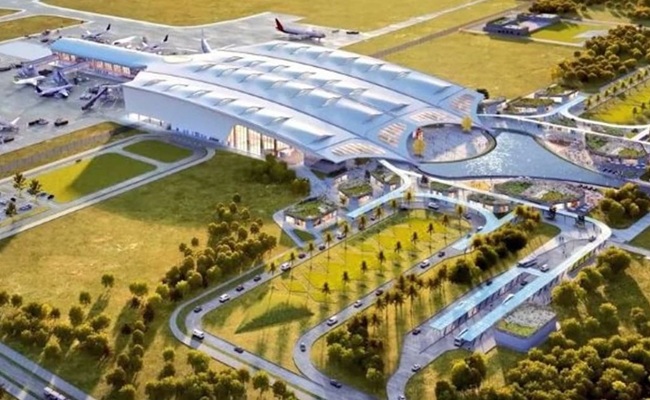
In a significant development for air travelers, the Maharashtra Cabinet Sub-Committee, led by Chief Minister Devendra Fadnavis, has greenlit the ambitious Metro Line 8 project. This project will establish a vital connection between Chhatrapati Shivaji Maharaj International Airport and the upcoming Navi Mumbai International Airport, promising to enhance the travel experience for millions of passengers.
The approval of Metro Line 8 is expected to streamline the transportation process for those traveling to and from these key airports, which are crucial hubs for both domestic and international flights. By connecting these two major airports, the initiative aims to reduce travel time, alleviate traffic congestion, and provide a reliable mode of transportation for air travelers in the region.
Experts believe that the new metro line will not only benefit passengers but also foster economic growth in the surrounding areas. With increased accessibility to the airports, businesses in Navi Mumbai are likely to thrive as they can attract more visitors and cargo traffic. The project is seen as a catalyst for development, making it easier for people to travel for work, leisure, or other purposes.
However, the project raises concerns among the residents of Visakhapatnam (Vizag). Many locals fear that while the Metro Line 8 may enhance air travel convenience in Mumbai, it could inadvertently lead to a decline in air traffic and connectivity options for Vizag. With the increasing focus on Mumbai’s transportation infrastructure, some are questioning whether Vizag will be left behind in the race for improved air travel options.
Travelers from Vizag often rely on air transport for both business and leisure, making it essential for the city to maintain and improve its own connectivity. As the Mumbai metro project progresses, questions arise about how Vizag will adapt to potential changes in air travel dynamics. Stakeholders in the region are urging the government to consider initiatives that would enhance Vizag’s air travel infrastructure to ensure it remains competitive.
In response to these concerns, local leaders and tourism advocates are calling for increased investment in Vizag’s airport facilities and improved services. They argue that a balanced approach is necessary to ensure that both Mumbai and Vizag can flourish as air travel hubs without compromising on accessibility and connectivity.
As the Metro Line 8 project moves forward, it represents a significant step in modernizing Maharashtra’s transportation landscape. However, the implications for Vizag and its air travel community remain to be seen. Local authorities are hopeful that the government will address these concerns and work toward enhancing air travel options for all regions in the state.
In conclusion, while the approval of Metro Line 8 is a welcome advancement for air travelers in Mumbai, it also brings to light the need for strategic planning and investment in other regions such as Vizag. It is essential for the government to ensure that the benefits of improved air travel infrastructure extend to all areas, creating a more inclusive and accessible aviation network across Maharashtra.


