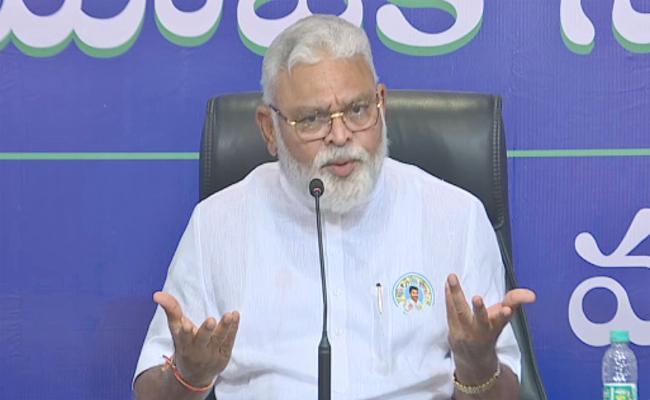
In a recent statement that has sparked significant debate, Ambati Rambabu, a spokesperson for the YSR Congress party and former minister, has come under fire for his comments regarding Amaravati. Critics allege that Rambabu often engages in rhetoric that lacks substance, seemingly prioritizing publicity over meaningful discourse.
The remarks made by Rambabu have reignited discussions about the ongoing controversies surrounding Amaravati, the proposed capital city of Andhra Pradesh. For years, the development of Amaravati has been a pivotal issue in the state’s political landscape, with various factions offering differing visions for its future. Many people are concerned that Rambabu’s comments, which they believe diminish the significance of these complex issues, serve to distract rather than inform the public.
Political analysts suggest that Rambabu’s approach reflects a broader trend among politicians who may seek to gain attention through sensationalist statements, often at the expense of constructive dialogue. Observers note that this tactic, while potentially effective in garnering immediate public interest, can ultimately undermine the credibility of those who rely on it, especially in a state grappling with the challenges of infrastructure development and governance.
Supporters of Rambabu defend his remarks as expressions of loyalty to the YSR Congress party, arguing that they reflect the party’s commitment to a vision for Amaravati that prioritizes welfare and development. They claim that his comments are being misinterpreted by political opponents who wish to capitalize on any misstep to weaken the party’s position ahead of the upcoming elections.
Opposition parties have seized on Rambabu’s comments as an opportunity to question the YSR Congress’s leadership and its governance. They argue that such statements are indicative of a party out of touch with the realities faced by the citizens of Andhra Pradesh. As these political rivalries intensify, the situation surrounding Amaravati remains a focal point of discussion and contention.
The residents of Amaravati and surrounding regions are left watching closely as the debate unfolds, hoping for clarity and decisive action rather than divisive rhetoric. Many are calling for a more constructive engagement from their leaders, advocating for dialogues that address the practical needs of the capital’s development.
As the discourse continues, the impact of Rambabu’s comments on the political landscape remains to be seen. It underscores the necessity for politicians to be mindful of their words and the potential implications they hold for their constituents. As Andhra Pradesh navigates its future, the importance of informed and productive political dialogue becomes ever clearer.
The events surrounding Rambabu’s statements serve as a reminder that, in an age where media attention can pivot rapidly, the quest for genuine public service must not be overshadowed by the allure of sensationalism. As the stakes rise, so too does the expectation for leaders to speak with honesty and integrity.