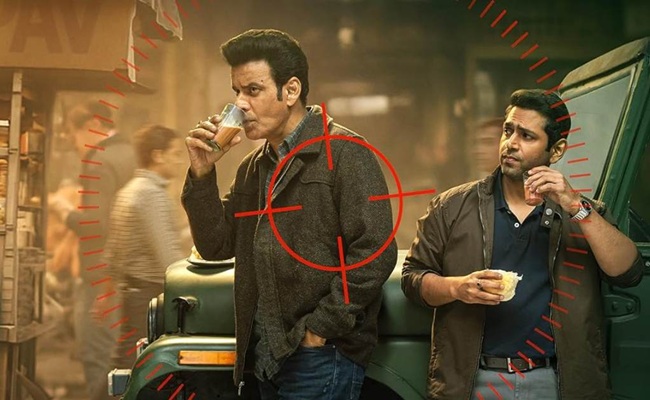
The much-anticipated third season of the hit Prime Video series “Family Man” is facing a wave of controversy even before its release. Right-wing groups and supporters are alleging that the series contains an anti-national agenda, raising questions about its thematic direction and the implications of its narrative choices.
<p”Family Man,” which has garnered a massive following since its debut, centers around the life of an intelligence officer navigating the complexities of both national security and family life. However, as the series gears up for its third installment, criticism has surfaced, suggesting that the storyline may undermine patriotic sentiments and present a skewed portrayal of India’s security challenges.
The concerns have been voiced by prominent figures and organizations who argue that the series could potentially create negative perceptions about the armed forces and national integrity. This scrutiny comes at a time when India is intensely grappling with nationalistic narratives and the media’s role in shaping public opinion. Critics are particularly wary of the impact that a popular series can have on viewers, especially younger audiences, who may take its depiction of national issues at face value.
Proponents of this viewpoint highlight specific scenes and elements throughout the earlier seasons that they believe glorify anti-national activities or depict certain political entities in a glaringly negative light. They argue that the portrayal of government agencies and security forces may encourage dissent against legitimate efforts to maintain order in the country.
In response to these allegations, the creators of “Family Man,” including the directors and lead actors, have defended their work, stating that the show is intended purely as entertainment. They emphasize that it is a fictional narrative that aims to reflect the complexities of contemporary society, rather than to promote any political ideology or discredit national entities.
This drama unfolds amidst a larger cultural conversation in India about the responsibilities of filmmakers and content creators. Many are calling for a balanced approach that respects artistic expression while also considering the potential repercussions of such content. This discourse is particularly relevant in today’s polarized environment, where virtually every piece of media can be scrutinized and interpreted through various ideological lenses.
As the premiere date for “Family Man 3” approaches, it remains to be seen how these accusations will affect viewership. The anticipation surrounding the release will perhaps be matched only by the discussions it prompts regarding national identity and the role of storytelling in shaping societal values.
With public opinion sharply divided, fans and critics alike are ready to engage in dialogues regarding the portrayal of national integrity in popular media. The showdown between creative freedom and national sentiment is likely to shape the narrative surrounding “Family Man 3” long after its release, keeping audiences buzzing as they prepare for the next chapter in this gripping saga.