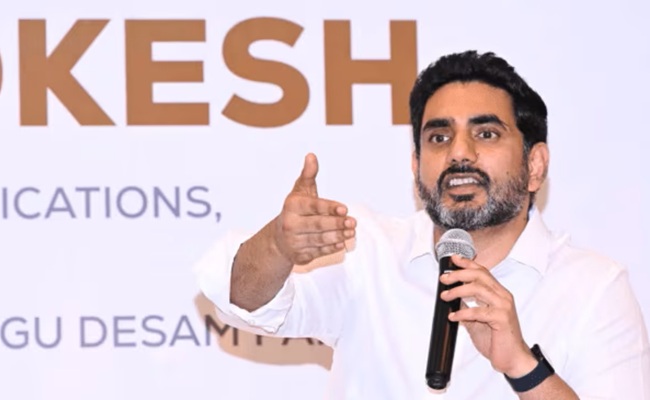
In a world increasingly marred by divisive rhetoric and online hostility, the message from young leader Lokesh has emerged as a breath of fresh air. His recent speech emphasizing the importance of respectful discourse and unity has resonated significantly within political and social circles. Many are now asking if he can sharpen his influence and extend this dialogue beyond current boundaries.
Lokesh, known for his thoughtful and mature approach, has positioned himself as a beacon of hope amidst the often toxic digital landscape. With his ability to communicate effectively and rally support, the young leader is seen as a promising figure, especially for a generation weary of extreme viewpoints and negativity. His stance highlights the necessity for constructive conversations that foster understanding rather than exacerbate divisions.
In his latest address, Lokesh urged citizens to prioritize empathy and respect in their interactions, particularly on social media platforms fraught with hostility. “We must remember that behind every screen, there is a person deserving of dignity,” he stated, prompting discussions among his peers and followers about the power of words. His articulation on the need for a kinder online presence has ignited a dialogue about civic responsibility in the digital age.
Critics have often targeted younger leaders, accusing them of lacking depth. However, Lokesh’s recent actions serve as a counterargument to these claims. His ability to tackle complex issues while remaining relatable has garnered him a growing base of supporters who see in him the potential for genuine change. Many believe that his commitment to respectful engagement could pave the way for a new political narrative focused on collaboration and understanding.
As Lokesh continues to build his platform, political observers are keenly interested in whether he can maintain this momentum. Can he transcend his current influence and become a leading voice in advocating for a more respectful dialogue not just locally, but nationally? The potential is there, but it will require sustained effort and strategic initiatives aimed at connecting with diverse communities.
Moreover, Lokesh faces the challenge of balancing his ideals with the demands of a competitive political landscape. As he seeks to expand his reach, he must navigate the complexities of public opinion, media scrutiny, and the diverse priorities of his constituents. Many wonder how he will respond to criticism and whether he will remain steadfast in his mission of promoting civility and respect.
While the road ahead may be uncertain, Lokesh’s commitment to fostering a more respectful and empathetic atmosphere is commendable. His rise as a leader exemplifies a shift toward the values of collaboration over confrontation, a vital change that could reshape the future of political discourse. As he forges ahead, supporters and critics alike will be watching closely to see how far his vision can take him—and if he will indeed go further in instigating this much-needed change.


