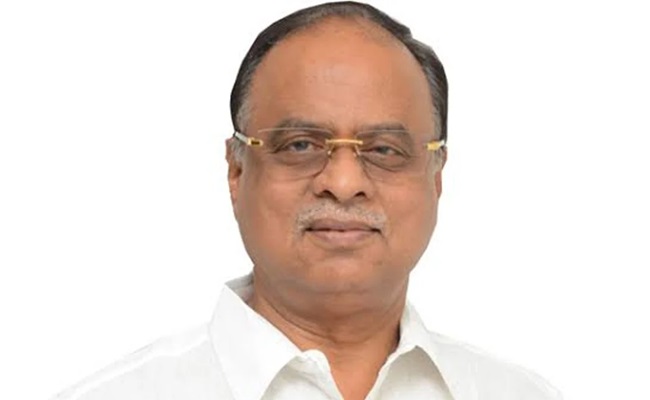
In a recent revelation that has stirred political waters, Vemireddy Prabhakar Reddy, the Telugu Desam Party MP from the Nellore parliamentary constituency, publicly admitted to providing assistance to Kaduru Chinna Appanna, the former personal assistant of YSR Congress party MP Y V Subba Reddy. This admission comes as part of an ongoing investigation into the contentious Tirumala ghee adulteration scandal, where multiple individuals have been implicated, raising serious concerns over the integrity of the pilgrimage and the trust placed in its overseeing bodies.
The Tirumala ghee adulteration controversy has gained significant attention, as it involves accusations against Subba Reddy, the former chairman of the Tirumala Tirupati Devasthanams (TTD), an institution responsible for managing one of India’s most revered pilgrimage sites. The allegations suggest that counterfeit ghee was being sold, which not only undermines the quality of the offerings made to deities but also risks public health, as pilgrims consume these products with deep faith and devotion.
Vemireddy’s admission, made public on Monday, adds a complex layer to the ongoing inquiry. Many in the political arena are keenly observing the implications of this confession, as it raises questions about the extent of accountability within the TTD and the broader implications for the YSR Congress party. Vemireddy’s relationship with Appanna might suggest deeper connections that could influence the investigation’s direction.
The MP’s acknowledgment has triggered discussions among political analysts, with some speculating that it may lead to further scrutiny of the relationships and practices within the TTD. The controversy has already prompted calls for a thorough investigation to ensure accountability, not just for the individuals directly involved, but also for the structure supporting them.
As the scandal continues to unfold, pressure mounts on the authorities to act decisively. The public response has been largely critical, expressing deep concern over the management of sacred institutions like the TTD. With devotion running high and trust in these institutions at stake, stakeholders are demanding transparency and rigorous oversight to prevent such incidents in the future.
The political ramifications of Vemireddy’s admission are yet to be fully realized. Observers are watching closely as local party dynamics shift and alliances reshape in light of the unfolding details surrounding the ghee adulteration case. With elections on the horizon, the implications for the YSR Congress party and its leadership could be significant, affecting voter sentiment and trust in their governance.
In conclusion, the revelations surrounding the Tirumala ghee adulteration controversy and Vemireddy Prabhakar Reddy’s admission reflect the complex interplay of politics and public trust in India’s religious institutions. As the investigation progresses, the commitment of authorities to uphold justice and maintain the sanctity of revered institutions will be put to the test, crucially impacting future governance and public confidence.


