Kareem Nagar is abuzz with political intrigue as the election for the mayoral position of the municipal corporation approaches. There are strong indications that a significant upheaval may occur in the upcoming election, with Chief Minister Revanth Reddy and Minister Sridhar Babu reportedly working behind the scenes to secure the mayoral seat.
In a bid to gain an advantage, it has come to light that these leaders are seeking support from their main rival, the Bharat Rashtra Samithi (BRS) corporators. The Congress party is reportedly devising a strategy to clinch the mayoral seat by aligning with various factions, including the BRS, the All India Majlis-e-Ittehad-ul-Muslimeen (AIMIM), and the All India Forward Bloc, as well as several independents.
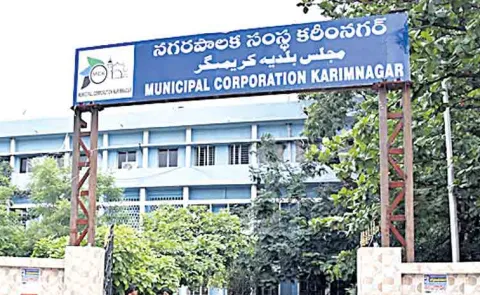
The Kareem Nagar Municipal Corporation comprises a total of 66 divisions, which, when combined with three coalition members, brings the total number of seats to 69. However, the magic number to secure the mayoral position stands at 35 seats. In this context, the Bharatiya Janata Party (BJP) has won 30 seats, while Congress has managed to secure 14. This electoral landscape has prompted Congress to plan a collaborative approach with BRS, AIMIM, and independents to reach the required magic figure.
Reports indicate that negotiations are underway, with offers ranging from ₹1.5 crores to ₹3 crores per corporator seat to secure support. This financial maneuvering underscores the high stakes involved in the mayoral election. The Congress party has four hopeful candidates vying for the mayoral position, alongside an independent candidate who is also eyeing the prestigious role.
Furthermore, there are rumors that BRS has been offered the position of Deputy Mayor as part of the negotiations. As the election day approaches, scheduled for February 16, anticipation continues to build regarding the selection of the mayor and deputy mayor. The political landscape in Kareem Nagar is charged with excitement and speculation, as various factions gear up for a potentially contentious showdown.
The outcome of this election is not merely a matter of political positioning; it reflects broader dynamics within the region’s political fabric. With multiple parties vying for control and the potential for shifting alliances, the election will undoubtedly have significant implications for local governance. As citizens await the results, the question remains: who will emerge victorious in this high-stakes political game?