As tensions escalate in Western Asia, a war has erupted between Iran and Israel, sending shockwaves across the globe. The conflict’s ramifications extend beyond these two nations, affecting neighboring countries like the UAE, Dubai, Qatar, and Bahrain. Amid this volatile atmosphere, thousands of Indians residing in these regions are expressing their fears and concerns. The situation has become a hot topic on social media platforms, drawing attention from various quarters.
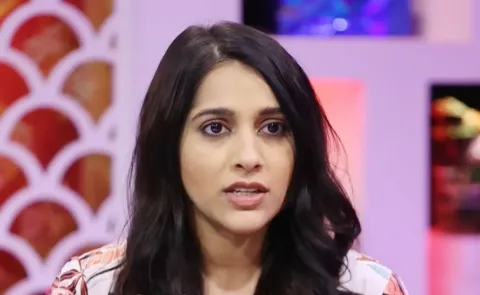
In the midst of this turmoil, Telugu anchor Rashmi Gautam’s recent tweets have sparked significant controversy. She emphasized India’s long-standing tradition of unity in diversity and respect for all religions, while firmly stating that radical ideologies cannot be tolerated. In a bold statement, Rashmi suggested that those who advocate for war with radical mentalities should be sent to Iran, addressing Prime Minister Modi directly. She argued that these individuals could find a purpose fighting for their cause in a land engulfed in conflict.
Rashmi expressed deep concern over the internal issues plaguing India, such as illiteracy, poverty, and caste discrimination, suggesting that the presence of radical mentalities only exacerbates these problems. She lamented that while young girls in some radical nations are married off by the age of nine, she takes pride in living in a free country where such practices are not tolerated. Her comments reflect a mix of patriotism and frustration with the growing influence of radical ideologies in society.
As Rashmi’s remarks circulated, many supporters rallied behind her, applauding her courage to speak out on sensitive issues. However, dissenting voices also emerged, critiquing her views and questioning the implications of sending individuals with radical beliefs to conflict zones. In response to inquiries about her marital status, Rashmi asserted her independence, stating, “I live with full respect and dignity in my country without getting married or having children.” This declaration challenged traditional norms and showcased her commitment to personal autonomy.
The discourse surrounding Rashmi’s tweets illustrates a broader societal debate in India about the intersection of culture, religion, and modern values. While many celebrate her outspoken nature, others contend that her comments could further polarize opinions on an already contentious topic. As the situation in the Middle East unfolds, the reactions to Rashmi’s statements serve as a reminder of the complexities involved in navigating national identity and global conflicts.
In conclusion, Rashmi Gautam’s tweets have ignited a fervent discussion on social media, reflecting the anxieties of a nation grappling with external threats and internal divisions. As the war between Iran and Israel continues to unfold, the voices of individuals like Rashmi will undoubtedly contribute to the ongoing dialogue about radicalism, identity, and the future of India in a rapidly changing world.


