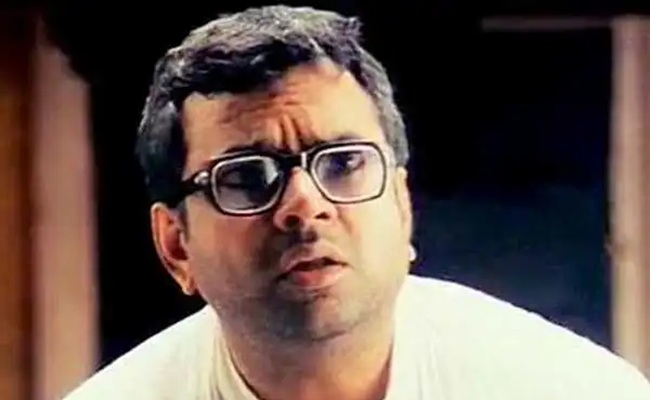
Veteran actor Paresh Rawal has ignited a significant online debate following his sharp criticism of film critic Anupama Chopra’s negative review of the recently released film “Dhurandhar.” The film, which has been generating buzz since its trailer launch, received mixed reactions, but Chopra’s review, in particular, seemed to strike a nerve with Rawal, who took to social media to voice his discontent.
In her review, Chopra highlighted several shortcomings in the film, including its pacing and character development, which she felt detracted from the overall viewing experience. Rawal, who plays a pivotal role in “Dhurandhar,” argued that the review was not only harsh but also failed to appreciate the nuanced performances and the filmmakers’ vision. He described the critique as “unfair,” asserting that it didn’t consider the effort that goes into crafting a film.
The incident quickly escalated, with fans and followers split on their allegiance. Some sided with Rawal, praising his commitment to defending his craft and the industry, while others defended Chopra’s right to express her opinions as a critic. The dialogues have sparked discussions about the responsibility of critics and the pressures actors face in the age of social media, where reviews can shape public perception almost instantly.
Rawal’s response has highlighted a more profound conversation about artistic expression and critique in cinema. As an actor with decades of experience, Rawal articulated his concern that sometimes criticism crosses the line into being overly destructive rather than constructive. He emphasized that while every film may not resonate with every viewer, it is essential to treat the efforts of the entire cast and crew with respect.
In the wake of this exchange, many have taken to Twitter and other platforms to share their views, further fueling the debate about the balance between honest criticism and respect for artistic expression. Some former critics and filmmakers have expressed solidarity with Rawal, arguing that constructive criticism is vital for the growth of the industry, but it should be delivered without malice.
As “Dhurandhar” continues to be screened in theaters, both sides of the debate are likely to keep the conversation alive. Whether Rawal’s comments will influence public perception of the film or change the way critics approach their reviews remains to be seen. However, this clash has certainly brought to light important issues regarding the dynamics between actors, critics, and audiences.
Ultimately, the discourse surrounding Rawal’s comments is a reminder of the passionate world of cinema, where every review can spark controversy, provoke thought, and lead to greater engagement within the industry. As both fans and critics navigate this landscape, it remains clear that cinema, with its multifaceted layers, will continue to inspire passionate discussions for years to come.