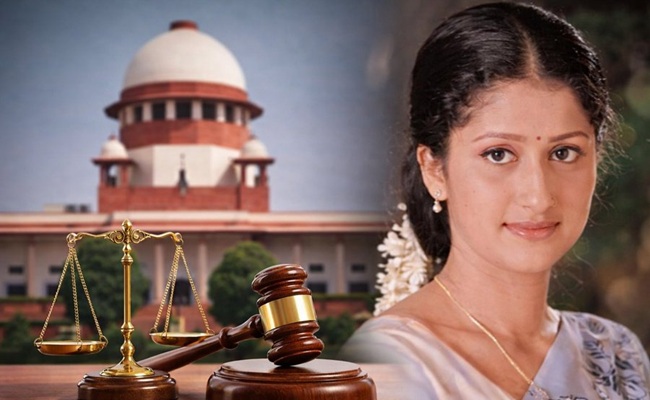
The Supreme Court of India issued a significant ruling on Tuesday in the long-standing case surrounding the death of Telugu film actress Prathyusha, a case that has captivated the attention of the public and media in the Telugu states for nearly two decades. The court directed Prathyusha’s boyfriend, who has been implicated in the case, to surrender to authorities, marking a pivotal moment in a legal saga that has evoked widespread outrage and concern over mental health issues in the film industry.
Prathyusha, a rising star in the Telugu film industry, was found dead in her apartment under suspicious circumstances in 2002. Initial investigations suggested suicide, but the ambiguity surrounding her death led to rampant speculation, conspiracy theories, and a media frenzy. Over the years, the case has seen various developments, including public protests, calls for justice, and demands for thorough investigations, keeping the issue alive in the public consciousness.
The Supreme Court’s ruling came after a series of appeals and legal maneuvers in lower courts, reflecting the complexities involved in the case. The court’s decision to order the boyfriend to surrender was seen as a crucial step toward addressing the unanswered questions surrounding Prathyusha’s tragic demise. Legal experts and activists have hailed the verdict as a long-overdue acknowledgment of the need for accountability in cases of suspected domestic abuse and mental health crises.
Throughout the years, Prathyusha’s case has highlighted the often-overlooked struggles faced by actors in the entertainment industry, particularly the pressures and mental health challenges they encounter. Advocates have used the case as a platform to call for better support systems for artists, urging the industry to prioritize mental well-being and create an environment where individuals can seek help without fear of stigma or repercussions.
The Supreme Court’s decision has reignited discussions about the treatment of women in the film industry and the societal responsibilities of those involved. Many have pointed out that the case serves as a stark reminder of the need for systemic changes to protect individuals from violence and harassment, particularly in high-pressure environments like the film industry.
As the news of the verdict spreads, reactions from the public and Prathyusha’s supporters have flooded social media, with many expressing relief and a sense of justice finally being served after years of uncertainty. However, some have also voiced concerns about the potential for further legal delays and the complexities that might arise as the case moves forward.
The ruling marks a critical chapter in the quest for justice for Prathyusha and serves as a call to action for society to address the roots of mental health issues and domestic violence. The impact of this case will likely resonate far beyond the legal outcomes, prompting a reevaluation of how the entertainment industry and society at large handle such sensitive matters in the future.