Famed filmmaker Rajamouli, known for his blockbuster hits, is not the only talented individual in his family. His father, Vijayendra Prasad, is equally renowned for his storytelling prowess, having penned narratives for several successful films, including Mahesh Babu’s ‘Vaaranasi.’ Currently, Prasad is busy working on multiple projects, but it was his remarks made during an award ceremony that have captured public attention.
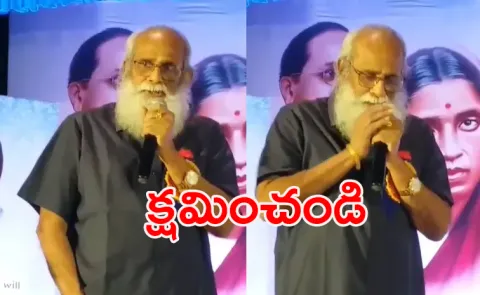
On Tuesday night, Vijayendra Prasad attended the Mata Rambai Ambedkar Memorial Awards ceremony at Ravindra Bharathi in Hyderabad. During the event, he delivered a speech that left many in shock. Prasad spoke candidly about his family’s past, revealing a dark chapter that he described as involving “unspeakable atrocities” committed by his ancestors under the guise of untouchability. His words resonated deeply, as he expressed remorse and sought forgiveness for the actions of those who came before him.
“We belong to a prosperous family, and I have never done anything wrong myself. However, our ancestors committed horrifying acts in the name of untouchability. Reflecting on those times fills my heart with shame and humiliation,” he stated. Prasad’s heartfelt plea for forgiveness was not just a personal reflection but also an acknowledgment of the historical injustices that have shaped societal dynamics.
As he continued, Vijayendra Prasad emphasized the importance of recognizing and confronting the past. “I bow my head to all of you and seek forgiveness. Forgive us, forgive us, forgive us,” he implored, highlighting the need for accountability and understanding of historical wrongs. His comments have sparked conversations across social media platforms, with many praising his courage to address such sensitive topics publicly.
In addition to his reflective comments, Prasad mentioned that a photograph of Dr. B.R. Ambedkar remains a constant presence in his office, underscoring his respect for the leader who fought for social justice. He also revealed that he is currently researching for a film centered around Ambedkar, aiming to shed light on his contributions and the significance of his ideologies in contemporary society.
The reactions to Vijayendra Prasad’s statements have been overwhelmingly supportive, with many expressing admiration for his openness and willingness to confront uncomfortable truths. As discussions around caste and historical injustices continue to evolve in India, his remarks serve as a reminder of the importance of reflection and dialogue in moving towards a more equitable society.
In the world of cinema, where stories often reflect societal issues, Vijayendra Prasad’s upcoming projects may carry the weight of his newfound commitment to addressing these themes. As a storyteller, his ability to weave narratives that resonate with audiences will undoubtedly be influenced by his personal revelations and the historical context he now seeks to explore.