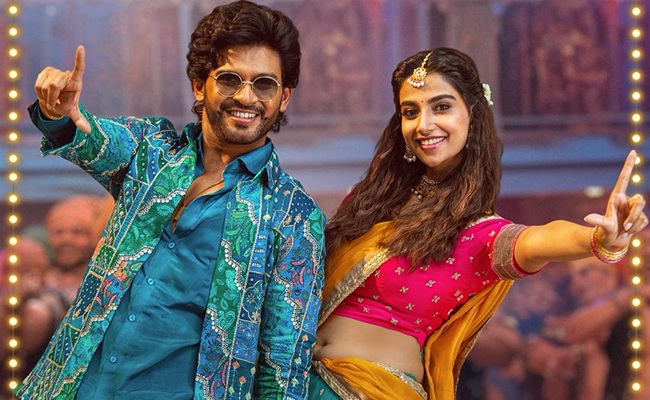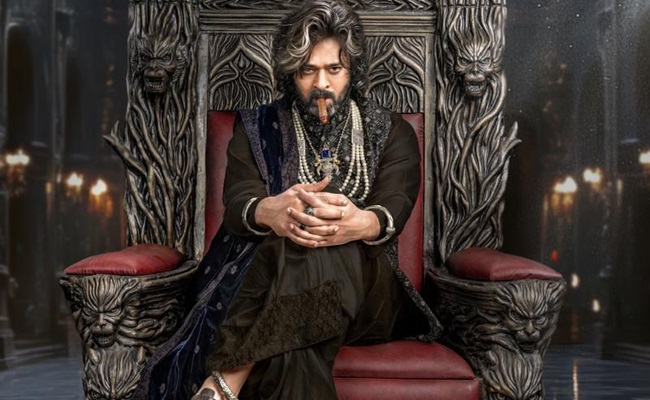
The digital landscape has once again turned its gaze towards filmmaker Maruthi, following the release of his latest project, “Raja Saab.” Despite initial excitement surrounding the film’s theatrical debut, a wave of criticism has emerged on social media, reminiscent of the backlash he faced after his previous work.
<p”Raja Saab,” which was expected to be a major hit, received mixed reviews from audiences and critics alike. While it managed to draw audiences to theaters in its opening weekend, the subsequent reactions on platforms like Twitter and Instagram have shifted the narrative. Many users have taken to these platforms to express their discontent, with comments ranging from dissatisfaction with the film’s storyline to critiques of the performances.
Initially, Maruthi seemed to have escaped the brunt of this scrutiny. The film’s box office performance was decent, and early reactions were somewhat forgiving. However, as viewers began to share their opinions and dissect various elements of the film, the tide quickly turned. The trolling intensified, and many are now questioning Maruthi’s directorial choices once again.
Social media has proven to be a double-edged sword for filmmakers like Maruthi, who must navigate both praise and criticism in real-time. The immediacy of online feedback can amplify both positive and negative sentiments, often leading to a rapid shift in public perception. In this case, it appears that the initial goodwill surrounding “Raja Saab” has dissipated, leaving Maruthi to contend with a growing chorus of dissent.
Fans of the director have voiced their support amidst the backlash, emphasizing the need for constructive criticism rather than outright trolling. Many believe that while not every film can be a blockbuster, filmmakers should be allowed to learn and grow from their experiences. However, the relentless nature of social media can often drown out these supportive voices, making it challenging for artists to navigate through the noise.
The broader conversation surrounding the film and Maruthi’s career brings to light the scrutiny that filmmakers, particularly those who have previously faced criticism, must endure. As the industry continues to evolve, the expectations upon directors are increasingly steep, and the consequences of a less-than-stellar release can be significant.
As “Raja Saab” continues to be discussed online, it remains to be seen how Maruthi will respond to the criticism and what steps he will take moving forward. With the film industry constantly changing, the pressure to deliver compelling content is relentless. Fans and critics alike are eager to see how this situation unfolds and whether Maruthi can turn the tides in his favor once again.