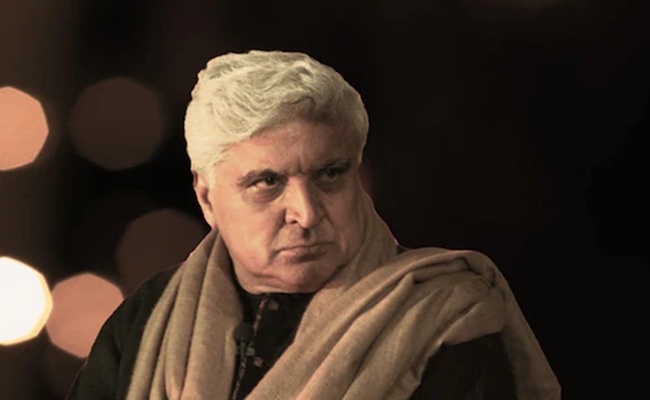
Veteran lyricist Javed Akhtar has taken a bold stand against the makers of the upcoming film Border 2, expressing his discontent over their decision to reuse songs from the iconic 1997 film Border. Akhtar, known for his profound contributions to Indian cinema, described this move as a glaring indication of creative and intellectual bankruptcy within the film industry.
The original Border, directed by J.P. Dutta, is celebrated for its compelling narrative and memorable soundtrack, which resonated deeply with audiences at the time of its release. Akhtar’s lyrics in the film played a significant role in its success, encapsulating the emotional weight of the story centered around patriotism and sacrifice. His recent comments highlight a growing concern among artists regarding the lack of originality in contemporary filmmaking.
In a statement released to the media, Akhtar emphasized the importance of originality in music and storytelling, urging filmmakers to move beyond mere nostalgia and seek fresh creative expressions. “Reusing songs from the past is a shortcut that reflects a lack of imagination,” he stated. He added that it undermines the hard work and artistry of those who originally composed and wrote the music, diminishing its value in the process.
The lyricist’s remarks come at a time when the Indian film industry is witnessing a trend where older songs are often repurposed or remixed for new films. This practice, while appealing to audiences who may have fond memories of the original tracks, raises questions about the sustainability of creativity in an industry that frequently revisits its past.
Many in the industry have echoed Akhtar’s sentiments, expressing concerns that this approach may stifle new talent and discourage innovative storytelling. Critics argue that relying on past successes can lead to a homogenization of content, ultimately depriving viewers of fresh and engaging narratives.
Border 2, a sequel to the original film, has generated significant buzz among fans eager to see how the new story unfolds. However, Akhtar’s criticism could influence public perception, as audiences increasingly value originality and creative integrity in cinema. The backlash against such practices may prompt filmmakers to reconsider their strategies and invest in original content that resonates with contemporary audiences.
As the film’s release approaches, it remains to be seen how the makers of Border 2 will respond to Akhtar’s criticisms. The lyricist’s call for a return to creativity serves as a reminder of the importance of innovation in the arts, encouraging filmmakers to honor the legacy of classic works while forging new paths for future generations. In an industry as dynamic as Bollywood, the balance between nostalgia and originality will continue to be a hotly debated topic.