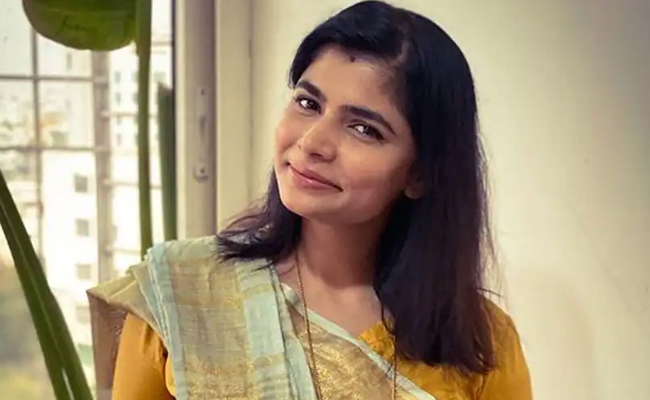
Playback singer Chinmayi Sripada has found herself at the center of a vicious online hate storm following comments made by her filmmaker husband, Rahul Ravindran. The controversy erupted when Ravindran shared insights about Chinmayi’s personal choice to wear a mangalsutra during promotional events for his forthcoming film, “The Girlfriend.” What should have been a simple discussion quickly escalated into a barrage of online abuse directed at the singer.
The crux of the issue lies in the societal expectations surrounding traditional symbols of marriage, particularly the mangalsutra, which is deeply rooted in Indian culture. As Ravindran spoke about Chinmayi’s decision being a personal choice, many social media users took to platforms to express their outrage, misinterpreting the comments and targeting Chinmayi with derogatory remarks and insults. The situation exemplifies how personal choices, especially concerning cultural symbols, can ignite public backlash in today’s digital age.
Chinmayi, recognized not only for her melodious voice but also for her outspoken nature on social issues, has faced unfair criticism and harassment online. This recent episode underscores the challenges public figures endure, often finding themselves vulnerable to mass scrutiny. In response to the wave of negativity, Chinmayi has used her social media platforms to highlight the toxicity of online trolling and the importance of standing up against such hate. “Personal choices should be respected, not ridiculed,” she emphasized in a recent post, urging her followers to foster a more supportive online environment.
The incident has sparked conversations about the need for greater understanding and acceptance of individual choices, especially in a country where traditional practices often clash with modern perspectives. In many cases, women, in particular, find themselves at the receiving end of judgment for their decisions regarding cultural symbols and practices. The backlash against Chinmayi’s personal choice raises pressing questions about gender norms and the societal pressures that are associated with them.
Support for Chinmayi has poured in from fans and fellow artists who have condemned the hate directed her way. Many have stepped forward to express solidarity, calling for a more compassionate and understanding society. The singer’s allies are leveraging their platforms to spread awareness about the damaging effects of online bullying and the importance of standing united against harassment.
This incident also highlights the significant role social media plays in shaping public discourse. While it provides a platform for dialogue and expression, it can also serve as a breeding ground for negativity and vitriol. The need for digital literacy and responsibility among users has never been more evident, as illustrated by the disproportionate backlash that individuals like Chinmayi face for simply living authentically.
As the situation continues to evolve, the focus remains on support and solidarity for Chinmayi. The relentless online abuse underlines a critical issue in today’s connected world: the urgent need for empathy in discourse and respect for personal choices. In the face of adversity, Chinmayi’s situation serves as a reminder of the need for courage against online hate and a call for a kinder digital space.


