The landscape of filmmaking is rapidly evolving, with technological advancements reshaping how movies are created. From the transition from black and white to color films, to the rise of animated features, the industry is now witnessing the emergence of artificial intelligence (AI) in movie production. While traditional filming techniques remain in use, some filmmakers are leveraging AI to produce high-budget films in a fraction of the time it would typically take.
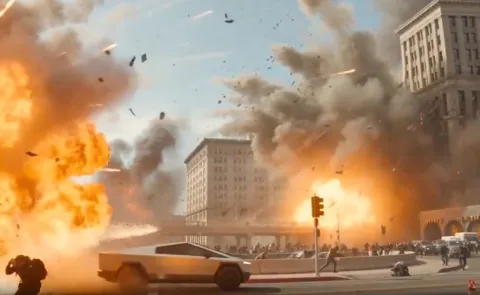
Renowned director Ram Gopal Varma recently shared his insights on this trend, highlighting the implications of AI in film production. In a recent tweet, he expressed his astonishment at the capabilities of AI by stating, “If this is not the end of films, I don’t know what is?” His comments come in light of a short clip he shared, showcasing an AI-generated movie that spans approximately three and a half minutes. The video is strikingly realistic, raising questions about the future of traditional filmmaking.
The clip features stunning visuals that rival those of Hollywood’s biggest budget productions. Scenes of buildings collapsing, airplanes crash-landing, and bridges collapsing are depicted with remarkable attention to detail, making it nearly impossible to discern that they were created using AI. This level of realism raises concerns among industry professionals about the potential risks that AI poses to the art of filmmaking.
As filmmakers explore the capabilities of AI, it presents a double-edged sword. On one hand, the technology allows for creative possibilities previously thought unattainable, enabling directors and producers to visualize their concepts more vividly and efficiently. On the other hand, the fear of losing the human touch in storytelling and artistic expression looms large. The question arises: will filmmakers rely too heavily on AI, thereby diminishing the essence of what makes cinema a beloved art form?
Varma’s perspective reflects a growing sentiment among filmmakers and audiences alike regarding the impact of AI on the industry. As the lines between reality and artificial creation blur, many are left wondering about the future of storytelling in cinema. With AI’s ability to replicate human creativity, there is a palpable tension between preserving the traditional methods of filmmaking and embracing the innovative potential that technology offers.
As the industry grapples with these changes, it remains to be seen how filmmakers will adapt to this new landscape. Will AI be seen as a tool to enhance creativity, or will it become a replacement for the very essence of filmmaking? The coming years will undoubtedly reveal the answer to these pivotal questions, as the relationship between technology and art continues to evolve.
In conclusion, the rise of AI in filmmaking is a significant development that warrants attention. As Ram Gopal Varma aptly notes, this could be a turning point for the industry, prompting both excitement and apprehension. The future of cinema hangs in the balance as creators navigate this brave new world of AI-generated film production.