The Budget Session of the Andhra Pradesh Legislature commenced on Wednesday, marked by a significant political event as the Yuvajana Sramika Rythu Congress Party (YSRCP) staged a walkout during Governor S Abdul Nazeer’s address. The session, which is crucial for the state’s economic planning and allocation of resources, was set to outline the government’s financial strategies for the upcoming fiscal year.
Governor Nazeer commenced his address to a joint sitting of the Assembly and the Legislative Council, aiming to present the achievements of the state government and future initiatives. However, the atmosphere quickly turned tense as YSRCP members expressed their discontent with certain remarks made by the Governor, which they perceived as critical of their administration.
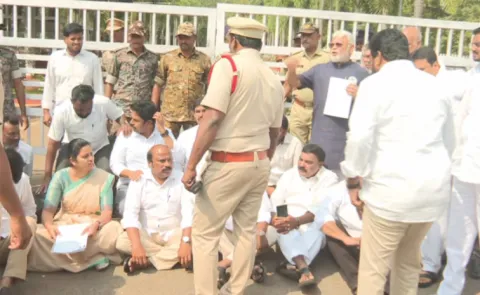
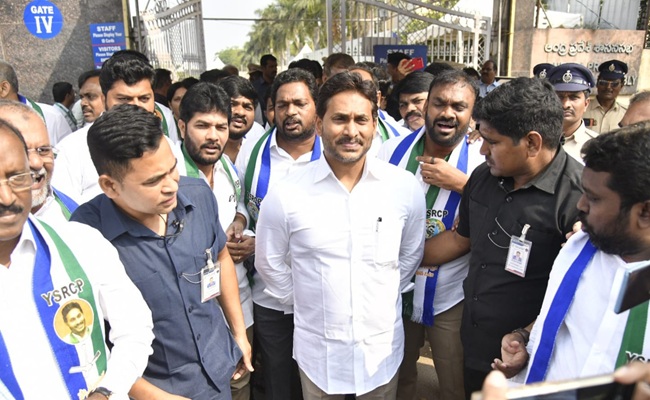
As tensions escalated, YSRCP leaders gathered in protest, leading to their decision to walk out of the assembly. This move highlighted the ongoing rift between the ruling party and the Governor, raising concerns about the political climate in Andhra Pradesh. YSRCP officials later articulated their grievances, stating that the Governor’s comments undermined the party’s efforts and achievements in governance.
Political analysts suggest that the walkout reflects deeper issues within the state’s governance structure and the relationship between the executive and the constitutional authority represented by the Governor. The YSRCP’s actions could signal a broader strategy to rally support among its constituents by portraying itself as a defender of state interests against external criticism.
The Budget Session is traditionally an opportunity for the government to outline its fiscal policies and priorities, and the walkout may have implications for the legislative agenda moving forward. Observers note that such actions can lead to delays in the passage of crucial budgetary allocations, impacting various sectors reliant on state funding.
In response to the walkout, opposition leaders have expressed support for the Governor’s address, emphasizing the importance of accountability and transparency in governance. They argue that constructive criticism is necessary for the progress of the state and that the government should be open to dialogue rather than resorting to protests.
The incident has also caught the attention of political commentators who are closely monitoring the dynamics of state politics. The YSRCP’s protest, they argue, not only reflects internal party tensions but also illustrates the broader challenges faced by the current administration in maintaining a cohesive narrative amidst growing scrutiny.
As the Budget Session unfolds, all eyes will be on how the government responds to the fallout from the YSRCP’s walkout and whether it can effectively navigate the legislative process in light of this political development. The coming weeks will be critical in shaping the trajectory of both the budget and the political landscape in Andhra Pradesh.