In a significant turn of events, YSR Congress Party (YSRCP) leader Karumuri Nagarjuna has been released on bail following his arrest in a high-profile case that has stirred political tensions in Andhra Pradesh. His release has reignited concerns among the public regarding what many perceive as the oppressive tactics employed by the ruling government led by Chandrababu Naidu.
Karumuri’s arrest stemmed from allegations of inciting public unrest against the government’s policies. His supporters have rallied around him, arguing that his detainment was a calculated move to silence dissenting voices and stifle criticism of the administration. “This is a clear attempt to intimidate those who question the government’s decisions. It’s time for us to stand up and speak out,” a close aide to Karumuri stated.
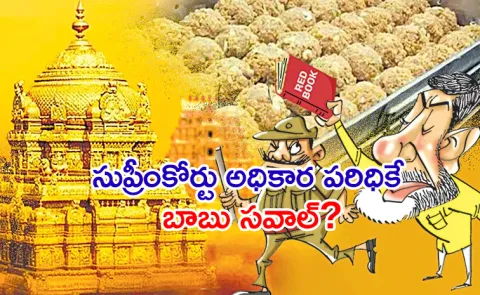
The political atmosphere in the state has grown increasingly charged, with a palpable sense of unrest among citizens who feel that their democratic rights are being eroded. Activists and political commentators have been vocal about their apprehensions regarding the government’s use of the Red Book, a reference to state laws that critics argue are being applied unfairly to suppress opposition.
“What we are witnessing is not just a political maneuver but a dangerous precedent that puts every citizen at risk of persecution for their beliefs,” remarked a local political analyst. The sentiment appears to be widespread, with many residents expressing outrage over the perceived authoritarianism of Naidu’s administration. Citizens have gathered in small protests across cities, calling for an end to what they describe as “harsh and one-sided” governance.
Local farmer groups, students, and various civil organizations have also joined the growing chorus of opposition, emphasizing their right to criticize and challenge government actions without fear of reprisal. “We will not be silenced. We demand transparency and accountability from our leaders,” stated a spokesperson for a farmers’ union.
The YSRCP, once seen as a formidable opponent to Naidu’s Telugu Desam Party (TDP), is now faced with the daunting task of mobilizing support in the face of such governmental pressure. Political rallies planned in the coming weeks are expected to draw significant attention as they aim to galvanize public sentiment against perceived injustices.
As the political climate continues to shift in Andhra Pradesh, the ramifications of Karumuri’s case are likely to resonate throughout the state. Observers are keenly watching how the YSRCP will respond to this challenge and whether the opposition can unify disparate voices into a cohesive front against what many consider a tyrannical approach by the ruling party.
With Karumuri’s release marking merely the beginning of a larger struggle, it remains to be seen how both the government and opposition will navigate these turbulent waters in a state on the brink of a critical political crossroads.