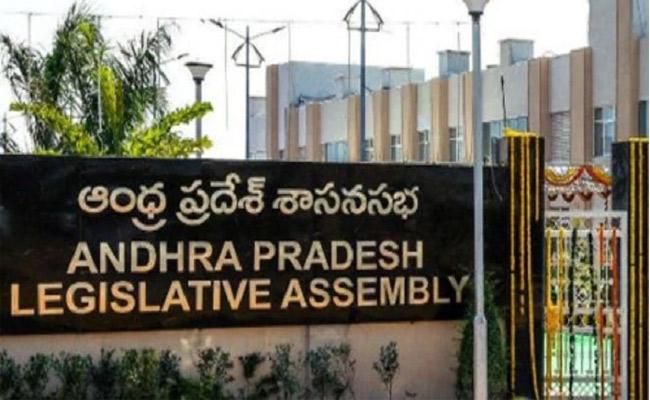
The Andhra Pradesh legislative council was the scene of tumultuous events on Friday as members of the opposition YSR Congress Party (YSRCP) staged protests, prompting Chairman Koyye Moshen Raju to temporarily adjourn the House. The disruption highlighted the ongoing tensions between the ruling party and the opposition, marking another chapter in the contentious political landscape of the state.
As the session commenced, YSRCP members vocally opposed several government policies, demanding immediate discussions on issues they believe are critical to the state’s welfare. The protests quickly escalated, with members shouting slogans and displaying placards, which led to a chaotic atmosphere in the council chamber. Observers noted that this was not an isolated incident but rather a reflection of the mounting frustrations within the opposition regarding their perceived sidelining in legislative processes.
In the midst of the uproar, Chairman Koyye Moshen Raju attempted to restore order, urging members to adhere to parliamentary decorum. However, his pleas fell on deaf ears as the protests intensified, ultimately forcing him to adjourn the meeting temporarily. This adjournment provided a brief respite, but it underscored the challenges facing the legislative council in maintaining a civil discourse amid fierce political rivalries.
Following the adjournment, TDP leaders seized the opportunity to voice their concerns and counter the ruling YCP’s narrative. The TDP, which has been striving to regain its footing in Andhra Pradesh politics, sought to address the issues raised by the YSRCP while also presenting their own agenda. This moment allowed TDP members to articulate their positions on governance, development, and the welfare of the state’s citizens.
The backdrop of this political turmoil is a growing discontent among the populace regarding various issues, including economic challenges and governance shortcomings. Both the YSRCP and TDP have been keenly aware that public sentiment can sway the political landscape, especially in the lead-up to upcoming elections. Therefore, each party is determined to assert its influence within the council and appeal to the electorate.
Political analysts suggest that the frequent clashes in the council are indicative of a larger struggle for power between the ruling party and the opposition. As the legislative session progresses, it is expected that tensions will continue to rise, with both sides vying for control of the narrative surrounding key issues facing the state.
The events of Friday serve as a reminder of the volatile nature of Andhra Pradesh’s political environment. With the council adjourned, all eyes will now be on how both the YSRCP and TDP harness this moment to shape their strategies moving forward. As the drama unfolds, it remains to be seen whether these protests will lead to significant changes in policy or merely serve as a catalyst for further political confrontation.