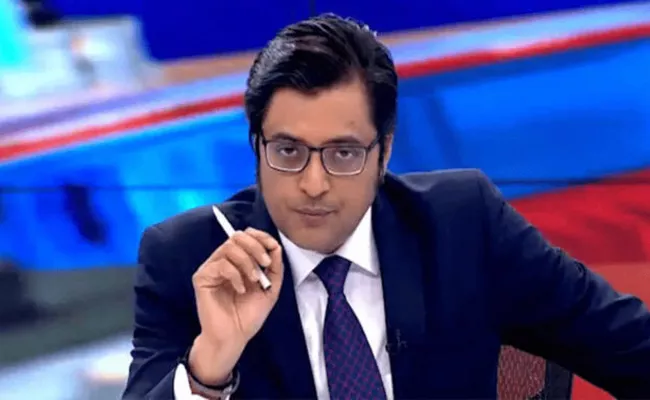
A fresh controversy has erupted in Indian media circles following Republic TV’s Arnab Goswami’s scathing remarks against Civil Aviation Minister Ram Mohan Naidu. The timing of Goswami’s criticism is particularly poignant as it came in the wake of the Indigo crisis that left countless travelers stranded across the nation, highlighting significant lapses in leadership during a critical period.
The airline chaos, which emerged from operational disruptions, significantly impacted the travel plans of lakhs of passengers, sparking public outrage. In response, Arnab Goswami did not hold back, labeling Naidu’s leadership as ineffective and questioning the government’s preparedness for such eventualities. His comments have resonated with viewers and critics alike, igniting a heated debate about accountability within the civil aviation sector.
Arnab’s critique of the Civil Aviation Ministry gained further traction as he addressed the broader implications of the crisis. According to him, the absence of a clear plan during pivotal situations reflects a serious flaw in governance. Goswami’s abrasive yet candid approach has once again positioned him at the center of a media storm, especially with his reputation for embracing hard-hitting journalism.
In a public statement, he challenged Naidu to take accountability for the fallout of the airline troubles, asserting that the government has a responsibility to ensure seamless travel for its citizens. “This is not just about one airline; this is about the trust passengers place in the system,” he stated passionately during a broadcast segment.
The situation has prompted reactions from political opponents and supporters alike, with various leaders taking to social media to express their views. Some have echoed Goswami’s frustration, urging the government to undertake reforms that would prevent such crises in the future. However, others have viewed his statements as excessive and politically charged, suggesting that he was leveraging the situation to gain ratings rather than advocate for genuine change.
This incident raises pertinent questions regarding the management frameworks in place within the Civil Aviation Ministry. Analysts suggest that without a robust strategy to address airline operations and customer service, similar disruptions could remain a recurring theme, undermining public confidence in travel systems.
The repercussions of this feud may extend beyond just a media spectacle. With elections looming, the ability of political figures like Ram Mohan Naidu to demonstrate effective crisis management could factor heavily into voter sentiments. If the public perception continues to lean towards dissatisfaction with government responses, it could affect not only the minister’s image but also the wider political landscape.
As the controversy unfolds, many are left wondering how it will play out in both the media and the political arena. The potential impact on the already fragile relationship between the government and the media will likely shape discussions in the coming weeks, especially in an era where accountability is increasingly demanded by citizens.


