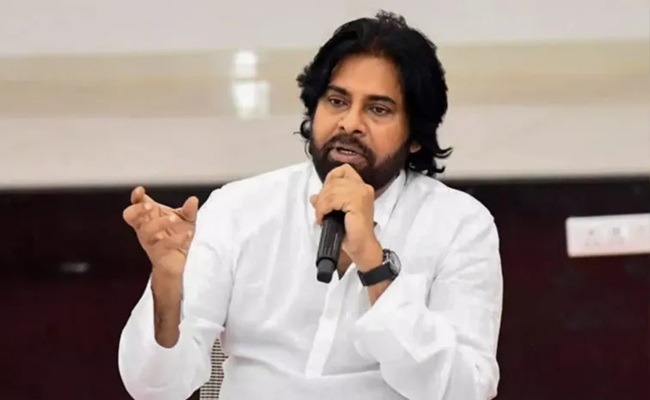
In a surprising turn of events, Pawan Kalyan, president of the Jana Sena Party and deputy chief minister of Andhra Pradesh, has publicly addressed the contentious issue of illegal liquor sales in the state. This move has created an uncomfortable situation for the Telugu Desam Party (TDP), as Kalyan’s comments come at a time when the TDP has been criticized for its handling of liquor pricing and sales regulations.
During a recent press conference, Kalyan expressed his concerns over the rising illegal liquor trade in Andhra Pradesh and its implications for public safety and health. He emphasized the need for stricter regulations and enforcement against unauthorized liquor sales, which he described as a significant threat to the well-being of citizens. Kalyan’s remarks seem to have caught the TDP off guard, as the party has faced backlash over its own policies regarding liquor sales and pricing in the state.
The issue of liquor sales has always been a politically sensitive topic in Andhra Pradesh, with various parties often leveraging it to gain public support. Kalyan’s intervention highlights a growing frustration among politicians regarding the uncontrolled illegal liquor trade, which has flourished in recent years. The deputy chief minister’s foray into this debate is particularly notable given that the regulation of liquor sales falls primarily under the purview of the state’s excise department, which is managed by the TDP.
Political analysts suggest that Kalyan’s comments may be an attempt to position the Jana Sena Party as a serious contender in the state’s political landscape, especially as the next elections approach. By taking a strong stand on a pressing issue that affects many citizens, Kalyan aims to galvanize support for his party while simultaneously putting pressure on the TDP to respond to the growing crisis of illegal liquor sales.
The TDP has been criticized for its perceived leniency towards illegal liquor operations, with many accusing the party of turning a blind eye to the rampant issue for financial gain. Kalyan’s warning serves as a stark reminder that public sentiment is shifting, and voters are increasingly frustrated with what they see as a failure of leadership in tackling the problem.
As the situation unfolds, it remains to be seen how the TDP will react to Kalyan’s statements. Will they address the concerns raised, or will they maintain their current approach to liquor sales? The outcome could significantly influence the political dynamics in Andhra Pradesh as parties vie for public trust and electoral support in the coming months.
In conclusion, Pawan Kalyan’s unexpected intervention in the liquor pricing debate has not only embarrassed the TDP but also reignited discussions about the rising illegal liquor trade in Andhra Pradesh. As the political landscape becomes increasingly competitive, Kalyan’s stance may reshape the narrative around liquor regulation and push the TDP to reconsider its strategies in managing this sensitive issue.