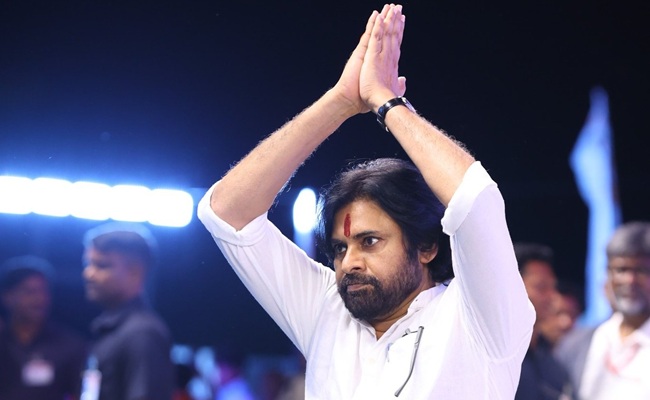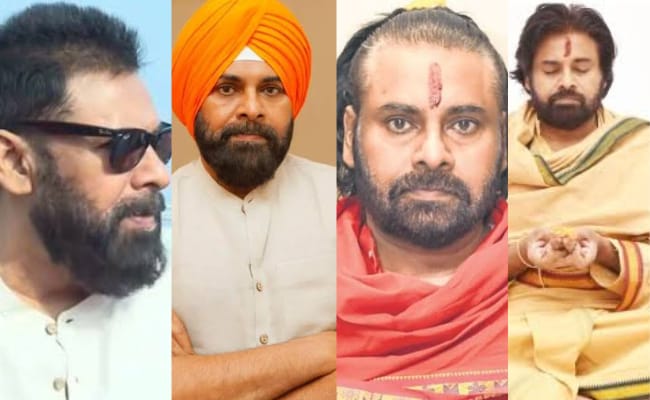
In a surprising turn of events, Pawan Kalyan, a prominent actor and politician in India, has drawn comparisons to the late Nandamuri Taraka Rama Rao (NTR), another iconic figure who seamlessly blended his film career with political aspirations. Both Kalyan and NTR have made headlines not just for their contributions to cinema and politics, but also for their unique ability to present themselves in various avatars during public appearances. This distinctive trait has helped them connect with different segments of the electorate, creating a lasting impact on their followers.
NTR, who served as the Chief Minister of Andhra Pradesh, was known for his charisma and the ability to don multiple looks, reflecting the diverse roles he played on screen. His transition from a celebrated film star to a formidable political leader was marked by his frequent changes in appearance, which resonated with the masses and solidified his status as a beloved figure. Pawan Kalyan, following in his footsteps, has embraced this strategy, showcasing an array of styles that highlight his versatility while reinforcing his political identity.
Recently, Pawan Kalyan has been seen sporting various outfits—from traditional attire that echoes his cultural roots to modern, trendy looks that appeal to younger voters. This adaptability not only showcases his personality but also symbolizes his intent to bridge the gap between traditional values and contemporary politics. Political analysts suggest that such transformations are integral to his campaign strategy, allowing him to engage with a broader audience and maintain relevance in an ever-evolving political landscape.
Moreover, Kalyan’s ability to shift his public persona has garnered significant attention, particularly among his loyal fanbase. As he prepares for upcoming elections, his varied appearances are perceived as a calculated move to energize his supporters and attract new followers. This methodology echoes NTR’s successful tactics during his political career, where he often used his on-screen charisma to rally support and inspire confidence among the electorate.
As the political scene heats up, Kalyan’s approach raises questions about the evolving nature of political campaigns in India. The lines between celebrity and politician continue to blur, with public figures increasingly relying on their entertainment backgrounds to influence political discourse. Pawan Kalyan’s strategic presentation in different getups stands as a testament to the changing dynamics of leadership, where image and identity play a crucial role in shaping public perception.
In conclusion, the parallels drawn between NTR and Pawan Kalyan highlight a remarkable trend in Indian politics, where personal branding and public image are becoming as vital as policies and governance. As Kalyan continues to make his mark in both cinema and politics, the legacy of NTR looms large, reminding us of the enduring influence of charismatic leaders in shaping the political landscape of the nation.