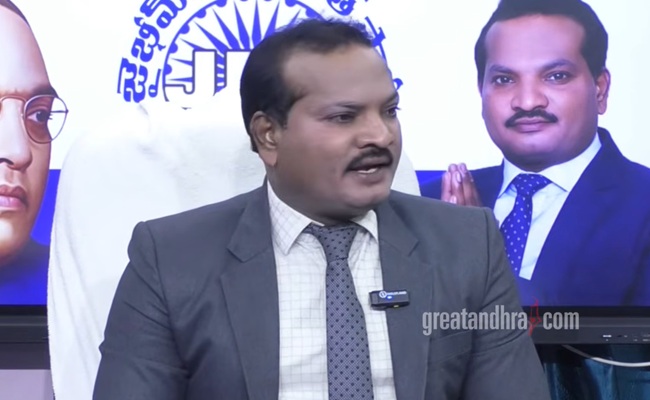
A recent claim by political commentator Jada Shravan has stirred considerable attention in the political landscape, as he suggests that Pawan Kalyan, a prominent figure in Indian politics and cinema, might be raking in an astonishing Rs 10 crore a day. This revelation has sparked debates among political analysts and fans alike, as they ponder the implications of such an income on Kalyan’s political aspirations and public perception.
Jada Shravan, well-known for his insightful commentary on political affairs, made the statement during a recent interview, where he elaborated on Kalyan’s unique position in the political arena. He described Kalyan as a “truly lucky” politician, attributing his financial success to a combination of his star power, business acumen, and strategic positioning within the political framework of Andhra Pradesh. Shravan’s assertion raises questions about the sources of this wealth and its potential impact on Kalyan’s political career.
Pawan Kalyan, the founder of the Jana Sena Party, has been a significant player in Andhra Pradesh politics since entering the fray in 2014. His dual identity as a movie star and a politician has often been a topic of discussion. Proponents argue that his celebrity status provides him with a unique platform to connect with voters, while critics contend that it distracts from the core issues facing the state. The newfound claim of his substantial daily earnings only adds another layer to this ongoing debate.
The political ramifications of such wealth are profound. If Kalyan’s earnings are indeed as high as suggested, it could provide him with considerable resources to influence the electoral landscape. This financial power might allow him to expand his party’s reach, invest in grassroots campaigns, and develop a more comprehensive political strategy ahead of the upcoming elections. However, it may also invite scrutiny regarding ethical considerations and the potential for corruption.
Moreover, this claim has reignited discussions about the intersection of wealth and politics in India. Critics have long pointed out that financial resources often overshadow merit in political systems, raising concerns about the integrity of democratic processes. As Kalyan navigates the complexities of his political journey, the implications of his financial status will undoubtedly be closely monitored by both supporters and detractors.
In response to these claims, Kalyan’s supporters have come forward to defend him, emphasizing his commitment to public service and community welfare. They argue that his earnings should not detract from his political contributions and initiatives aimed at uplifting the underprivileged. However, the question remains whether Kalyan can maintain a balance between his wealth and his political ideals as he prepares for future electoral challenges.
As the political landscape continues to evolve, all eyes will be on Pawan Kalyan. Whether the claims about his daily earnings hold any truth or are simply a figment of speculation, the discourse surrounding his financial status underscores the intricate relationship between celebrity, wealth, and politics in contemporary India. With the elections on the horizon, Kalyan’s fortunes—both financial and political—will be critical in shaping the future of Andhra Pradesh.