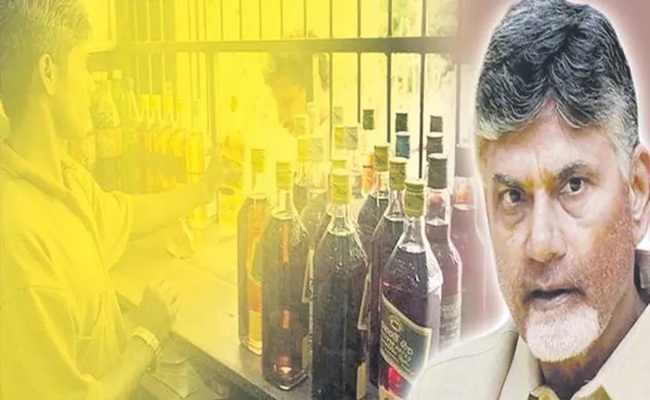
The recent uncovering of a major spurious liquor racket in Annamayya district has placed Andhra Pradesh Chief Minister N. Chandrababu Naidu and the ruling Telugu Desam Party (TDP) in a precarious situation. The operation, which revealed the illegal production and distribution of counterfeit alcoholic beverages, has raised serious questions about the effectiveness of the state’s regulatory mechanisms and has sparked public outrage.
Authorities initiated investigations after a series of incidents linked to the consumption of tainted liquor led to multiple hospitalizations and fatalities. As the probe unfolded, law enforcement officials stumbled upon a vast network of illicit liquor production that not only jeopardized public health but also involved the complicity of several local officials. The revelations have drawn intense scrutiny on the governance and accountability of the current administration.
In light of the scandal, opposition parties have seized the opportunity to criticize Naidu and the TDP, accusing them of negligence and corruption. They argue that the administration has failed to implement effective policies to combat illegal liquor trade, which is rampant in the state. “This incident is a clear reflection of the TDP’s inability to safeguard the welfare of its citizens,” remarked a spokesperson for the opposition party, emphasizing the need for immediate reforms in the liquor regulation framework.
Public sentiment has turned sharply against the government, with many citizens demanding accountability and stricter enforcement of laws governing alcohol production and sales. The outrage is palpable, especially among families affected by the spurious liquor incidents. Victims’ relatives have expressed their grief and anger, urging the government to take decisive action against those responsible for the illegal operations.
In response to the mounting pressure, Chief Minister Naidu has vowed to take strict action against those found culpable in the racket. Announcing a comprehensive review of existing liquor regulations, he stated, “We will not tolerate any form of illegal activity that endangers our citizens’ lives. Our government is committed to ensuring that such incidents do not occur in the future.” However, many remain skeptical about the sincerity and effectiveness of these promises, given the long-standing nature of the liquor trade problems in the region.
As the investigation continues, authorities are working to dismantle the remaining elements of the spurious liquor network and are increasing surveillance on liquor production facilities across the state. The government is also considering implementing new regulations that would enhance monitoring processes and ensure that only licensed vendors have the authority to distribute alcoholic beverages.
This incident serves as a stark reminder of the challenges faced by state officials in enforcing laws related to public health and safety. With the TDP’s reputation on the line, the political ramifications of this scandal could reshape the landscape of Andhra Pradesh politics, especially with upcoming elections on the horizon. As citizens demand transparency and accountability, the pressure mounts for the government to deliver tangible results in addressing this pressing issue.