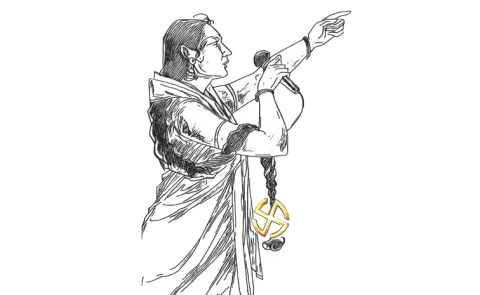
In a remarkable shift in local governance, women in Telangana have made significant strides in municipal elections, asserting their influence in a traditionally male-dominated arena. Recent results from the chairperson and mayor elections reveal that women have secured 64% of the positions across 105 municipalities and 7 corporations, demonstrating a strong commitment to female representation in governance.
The elections, conducted on Monday, showcased an impressive outcome for women, who have claimed leadership roles in 72 municipalities. Despite the challenges posed by the ongoing election postponements in 11 municipalities, where four seats are already reserved for women, the overall numbers reflect a substantial success. Women have effectively achieved victory in 76 out of 123 contested positions, exceeding their allocated 50% reservation by 12% and highlighting their growing political power.
This surge in female political representation is particularly noteworthy as women are entering the political landscape not solely as beneficiaries of quotas but as active participants in shaping policy and governance. The increased political consciousness in the state raises intriguing prospects for the future, especially with the potential implementation of women’s reservations in legislative assemblies by 2029. The anticipated influx of women political leaders into legislative bodies could transform the political dynamics in Telangana.
Among the newly elected chairpersons and mayors, a significant number hold educational qualifications, with eight having completed postgraduate degrees and 23 being graduates. The presence of a doctor among them emphasizes the diverse backgrounds of these elected officials. This trend indicates a shift towards more educated and capable individuals taking on leadership roles within local governments, which could lead to more effective governance.
Moreover, the election results indicate a successful representation of backward classes (BCs) within these positions. Of the elected chairpersons and mayors, 58.03% belong to BC communities, with the Munnuru Kapu community securing the highest number of positions, followed by Gouds, Mudirajs, and Yadavs. This inclusion reflects a broader commitment to diversity in local governance, addressing the needs and concerns of various social groups.
As women take charge in local governance, there is a growing sentiment that they possess a unique understanding of the challenges faced by their communities, often more so than their male counterparts. This insight is expected to drive a proactive approach to problem-solving within their municipalities, further enhancing community development.
The elections also highlight a critical moment for political leaders, who are now urged to empower women in governance beyond mere tokenism. For these newly elected officials to leave a lasting impact, they must exercise independent decision-making and establish their unique governance styles. The political landscape is changing, and the responsibility lies with these women to ensure their leadership translates into meaningful progress for their constituencies.
As Telangana moves forward, the implications of these elections extend beyond the current cycle, promising a more inclusive political future where women actively shape the narrative and direction of local governance. The evolving role of women in politics is not just a victory for gender representation; it is a step towards a more balanced and responsive government.