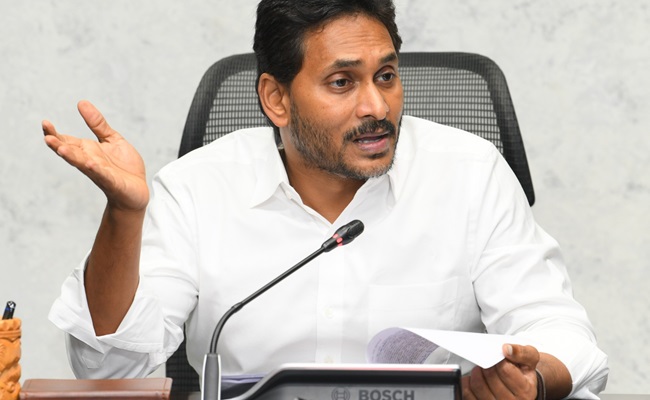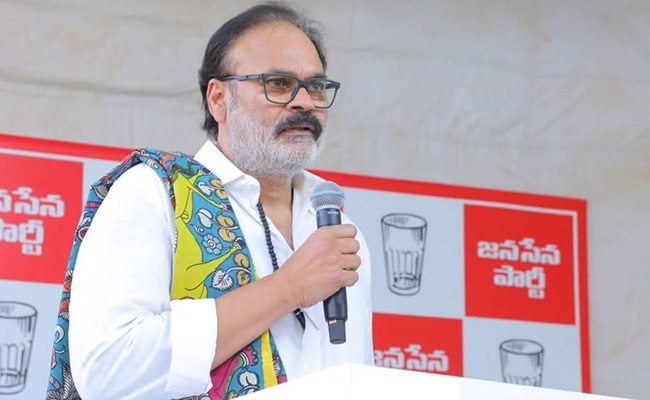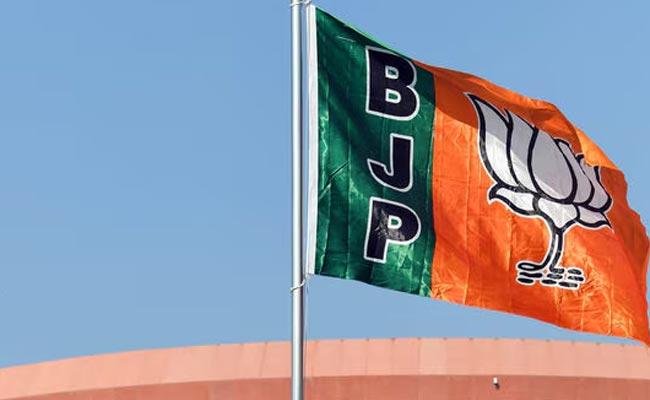
The ongoing controversy surrounding the distribution of the renowned Tirumala laddu has taken an intriguing turn, particularly with the apparent silence of the Bharatiya Janata Party (BJP). As the situation unfolds, political analysts are left wondering why the BJP has chosen not to actively support prominent leaders like Chandrababu Naidu and Pawan Kalyan, who have both voiced their opinions on the matter.
The Tirumala laddu, a sacred offering at the Tirupati temple, is not just a religious symbol but also a significant part of the region’s economy and cultural heritage. The recent debate centers around alleged discrepancies in the distribution process, which has sparked public outcry and drawn attention from various political factions. Naidu, the leader of the Telugu Desam Party, and Kalyan, head of the Jana Sena Party, have taken a stand against what they perceive as mismanagement affecting the devotees’ access to the famous sweet.
In this politically charged atmosphere, many expected the BJP, which has been keen on expanding its influence in Andhra Pradesh, to rally behind Naidu and Kalyan. However, the party’s strategic silence raises questions about its intentions and priorities in the state. Observers note that such silence could be a calculated move, allowing the BJP to maintain a neutral stance while gauging the public’s reaction to the controversy.
Political experts suggest that the BJP might be wary of taking sides in a situation that could potentially alienate certain voter bases. By refraining from vocal support, the party may be aiming to preserve its image as a unifying force in a region where political loyalties are deeply entrenched. This tactic, however, could backfire if the public perceives the BJP as indifferent to issues that resonate with the sentiments of the people.
Moreover, the BJP’s silence could also be interpreted as a lack of confidence in its ability to sway public opinion in favor of Naidu and Kalyan. Given that both leaders have significant followings, the BJP may prefer to distance itself from the controversy rather than risk associating with a potentially divisive issue. This approach aligns with the party’s broader strategy of focusing on developmental narratives rather than getting embroiled in local disputes.
As the controversy continues to unfold, it remains to be seen how the BJP will navigate its position. Will it maintain its current stance of silence, or will it eventually engage in the discourse surrounding the Tirumala laddu? The coming days will be crucial in determining the party’s strategy and its implications for the regional political landscape.
For now, the BJP’s decision to remain quiet has left many in the political arena speculating on the party’s next moves. Analysts are keenly observing how this issue may impact upcoming elections and the party’s overall standing in Andhra Pradesh. With both Naidu and Kalyan actively pushing for change, the response from the BJP could be pivotal in shaping the future dynamics of the region’s politics.