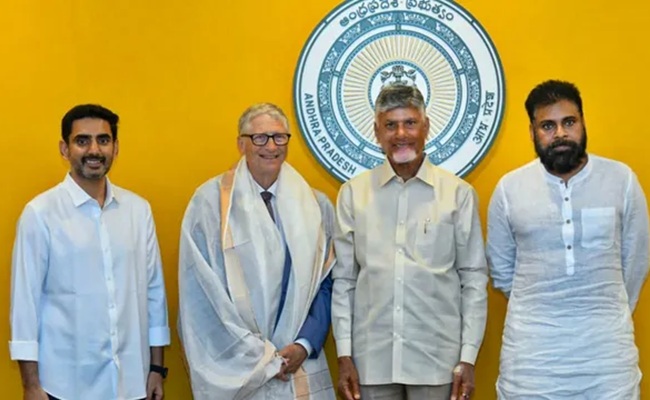
In a recent visit to Andhra Pradesh, tech mogul Bill Gates has found himself at the center of a political storm, as both the Telugu Desam Party (TDP) and the Yuvajana Sramika Rythu Congress Party (YCP) engage in a heated exchange surrounding his presence in the state. Gates, co-founder of Microsoft and renowned philanthropist, has faced scrutiny from YCP leaders and supporters who have launched a series of attacks against him, citing unsubstantiated claims linking him to the controversial Epstein files and other personal allegations.
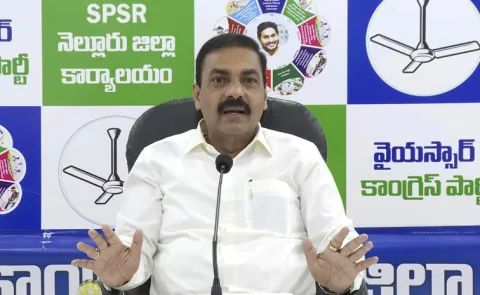
The YCP’s vocal opposition to Gates’ visit has sparked widespread debate within political circles, with party members labeling his arrival as an unwelcome distraction. They argue that his past associations and the ongoing controversies surrounding his name make him an inappropriate figure to engage with the people of Andhra Pradesh. This backlash has resulted in numerous social media posts and statements from YCP leaders, who have accused Gates of representing a form of elitism that does not align with the interests of the common citizen.
In contrast, the TDP has attempted to capitalize on the situation, portraying Gates’ visit as a significant opportunity for the state. TDP leaders have emphasized the potential benefits of Gates’ philanthropic initiatives, particularly in the fields of health, education, and technology. They argue that his presence could attract investment and drive progress in various sectors, thereby benefiting the citizens of Andhra Pradesh. This has led to a palpable sense of excitement among TDP supporters, who view Gates as a pivotal figure in the global landscape of innovation and development.
However, the ongoing feud between the two parties has overshadowed the intended purpose of Gates’ visit. Critics argue that the focus should remain on the opportunities for collaboration and growth that his presence could foster, rather than being mired in political disputes. Gates himself has remained relatively neutral, expressing his commitment to improving health and education in the region through his philanthropic work, while refraining from engaging in the local political fray.
The tension surrounding Gates’ visit has highlighted the deep divisions within Andhra Pradesh’s political landscape, where leaders are often quick to leverage high-profile events for their own agendas. As the situation continues to unfold, many citizens are left wondering how this visit will ultimately impact the state, and whether the political rhetoric will give way to constructive dialogue and collaboration.
As Gates prepares to engage with various stakeholders in the state, the emphasis on health and education initiatives may offer a glimmer of hope amidst the political noise. However, with the YCP’s continued resistance and the TDP’s fervent support, the dynamics of this visit are likely to remain contentious, leaving many to speculate on what the lasting implications will be for both the state of Andhra Pradesh and Gates’ philanthropic efforts moving forward.