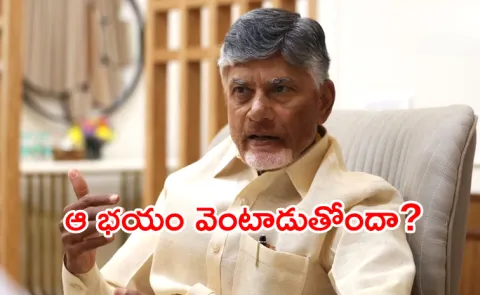
Andhra Pradesh Chief Minister N. Chandrababu Naidu has once again drawn attention with his claims of achieving “forty victories” in the last twenty months, a statement that has raised eyebrows among critics and analysts alike. The Chief Minister’s assertions come amidst the backdrop of the upcoming elections, where he and his party, the Telugu Desam Party (TDP), are gearing up to present their manifesto in collaboration with the Jana Sena Party.
During a recent address, Naidu touted an impressive list of accomplishments, yet he failed to substantiate these claims with concrete evidence regarding the implementation of the 150 promises made in their joint manifesto. The media, particularly the yellow press, has echoed these claims, urging the public to believe in the successes Naidu has mentioned. However, questions linger as to the authenticity of these so-called victories.
Governor Nazeer’s speech in the assembly indicated that the government has transferred ₹33,000 crores to the poor annually, yet the election promise stood at ₹1.5 lakh crores, a stark disparity that went unexplained. Furthermore, Naidu claimed to have aided over 67.27 lakh students under the “Mother’s Blessing” scheme, stating that ₹10,000 crores had been deposited into mothers’ accounts. Critics argue that the actual expenditure on this scheme was only around ₹6,000 crores, casting doubt on the successes highlighted by the Chief Minister.
In another announcement, Naidu revealed that more than 43.51 crore women had benefited from free bus travel, costing the exchequer ₹1,532 crores. However, he faced scrutiny regarding the actual implementation of this scheme, with many alleging that numerous restrictions have been placed on its availability. The question arises: how can this initiative be deemed a success when it has been marred by limitations?
Farmers, a crucial demographic, have also been affected. Naidu referenced that ₹6,300 crores had been distributed to 46 lakh farmers in two installments under the “Happy Farmer” scheme. However, a glaring inconsistency was noted when the Governor’s address suggested that farmers were set to receive ₹20,000 each per year, while the reality was that only ₹10,000 had been disbursed so far. This discrepancy left many farmers feeling shortchanged, with each farmer reportedly still owed ₹30,000.
Naidu stated that 63 lakh people were receiving pensions monthly, a figure that raised eyebrows as it was merely an increment from the previous government’s pension scheme. The Chief Minister’s claim that no new pensions had been initiated since his government took office has also been met with criticism, especially as reports suggest that approximately four lakh individuals have seen their pensions cut.
Moreover, while Naidu claimed to have repaired roads with ₹1,000 crores, reports of deteriorating road conditions across the state contradicted this assertion. Even the so-called “Mega Parent and Teacher Meetings,” which were touted as record-setting successes, were criticized for failing to address the significant drop in student enrollment in government schools.
With the backdrop of these claims, Naidu’s announcements regarding the establishment of a Google data center in Visakhapatnam, reportedly worth ₹1.25 lakh crores, have also faced skepticism. The lack of employment opportunities and substantial financial incentives offered to the tech giant have raised concerns about the actual impact of such investments.
As the political climate heats up before the elections, Naidu’s claims of success are increasingly being scrutinized, with analysts arguing that they often lack substance. The Governor’s speech, laden with promises of investment and job creation, has also been criticized for being filled with half-truths. TDP and Jana Sena leaders have expressed concerns over the performance of their party members in the assembly, as previous discussions on pressing issues like fertilizer shortages have been met with governmental resistance.
In a surprising twist, Deputy Chief Minister Pawan Kalyan reaffirmed their coalition’s commitment for the next fifteen years, hinting at an undercurrent of apprehension as both parties prepare for the electoral battle ahead. The political rhetoric surrounding caste and community has also resurfaced, with Kalyan accusing the ruling YSR Congress Party of fostering division, despite his own party’s historic affiliations.
As Andhra Pradesh prepares for the upcoming elections, the palpable tension among party leaders and the public’s skepticism toward the government’s claims will likely play a crucial role in shaping the political landscape. The real question remains: will the electorate be swayed by the narrative of success, or will they demand accountability for the promises made?