In a recent political storm, Tamil actor Kamal Haasan has sparked a debate among Telugu people by highlighting the literary contributions of Telugu poet Sri Rangam Srinivasa Rao, popularly known as Sri Sri. During his inaugural speech as a Rajya Sabha member, Haasan recited the poet’s famous poem about the Jagannath chariot festival, which resonated deeply with the Telugu audience. His remarks on the poem’s significance have drawn mixed reactions, showcasing both pride and criticism among various factions.
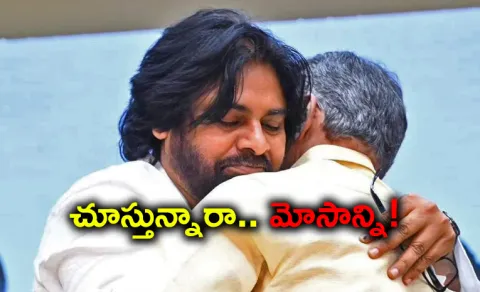
While one Tamil actor celebrates the literary heritage of Telugu culture, prominent Telugu leaders like Chief Minister Chandrababu Naidu and Deputy Chief Minister Pawan Kalyan have been embroiled in controversy concerning religious sentiments and political accusations. Both leaders have frequently referenced the prasadam (offering) of Lord Venkateswara, which has not been received as a source of pride but rather as a point of contention among the Telugu populace. They find themselves mired in political mudslinging, with Naidu’s party, the TDP, attempting to divert attention from the allegations surrounding former Chief Minister Y.S. Jagan Mohan Reddy.
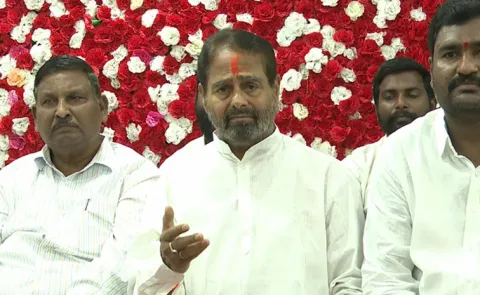
As the TDP struggles to counter Jagan’s rising popularity among the masses, Naidu, Kalyan, and BJP leader Madhav held a press conference to air grievances against the YSR Congress and its government. They tried to frame Jagan in a negative light by invoking religious sentiments, but their attempts were met with backlash. The controversy escalated as Naidu made comments regarding divorce within Hinduism, which sparked outrage among Kalyan’s supporters. Many felt that Kalyan’s silence on Naidu’s remarks reflected poorly on him and raised questions regarding his stance on important issues.
Furthermore, Naidu’s assertion that divorce should not be a topic of discussion for a Chief Minister who has sworn to uphold the Constitution drew ire. Critics have pointed out that while personal beliefs about marriage and divorce are one thing, the law must ultimately govern these matters. Naidu’s comments were seen as dismissive of the complexities surrounding marital disputes, particularly those involving domestic violence.
In a separate vein, Naidu accused the YSR Congress of conspiring to defame the Venkateswara temple, claiming there was an intention to compromise the sanctity of the prasadam offerings. His allegations regarding the mixing of animal fat in prasadam were dismissed by investigations, revealing that such claims were unfounded and possibly aimed at diverting public attention from his own party’s failures.
This political drama unfurled further as the government announced a Special Investigation Team to probe the prasadam controversy, prompting immediate legal action from former TTD Chairman Y.V. Subba Reddy. The situation escalated, leaving Naidu’s government scrambling to maintain its credibility, as reports confirmed that animal fat was not present in the prasadam.
As the political theater continues, it is clear that Naidu’s strategy to undermine Jagan’s reputation may backfire. The public’s increasing awareness of these tactics has led many to question the integrity of their leaders. Observers note that when politicians resort to invoking religion for political gain, it often indicates a deeper fear of losing public trust and an acknowledgment of their own shortcomings.
In the backdrop of this unfolding drama, Kalyan’s shifting positions on faith and identity have drawn scrutiny. Critics have pointed out his inconsistent declarations regarding his faith, raising concerns about his authenticity and commitment to any particular ideology. The WYSR Congress has seized upon these inconsistencies, arguing that political leaders should maintain a consistent stance on their beliefs rather than adapt them to suit political needs.
Ultimately, as the situation develops, the interplay of politics, religion, and public sentiment will continue to shape the narrative in Andhra Pradesh. How these leaders navigate these turbulent waters remains to be seen, but the stakes are undeniably high for the future of Telugu politics.