The recent remarks made by renowned Tamil actor Kamal Haasan during his first speech as a member of the Rajya Sabha have sparked significant discussion among Telugu audiences. Haasan read a poignant poem by the celebrated poet Sriraṅga Srinivasa Rao, popularly known as Sri Sri, titled “Vastunnayi.. Vastunnayi Jagannatha Ratha Chakral,” which resonated deeply with many. While his acknowledgment of Telugu literary greatness is commendable, it has ignited a contrasting dialogue about the political landscape in Andhra Pradesh.
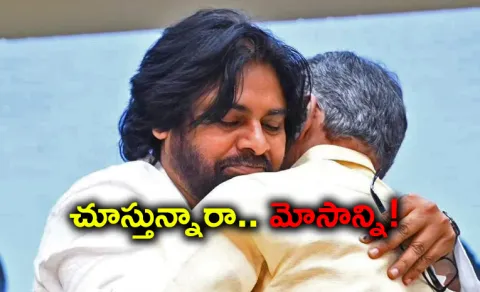
In stark contrast to Haasan’s tribute to Telugu culture, Andhra Pradesh Chief Minister N. Chandrababu Naidu and Deputy Chief Minister Pawan Kalyan have been embroiled in controversy over the distribution of the prized laddu prasadam from the Tirupati temple, an issue that has drawn criticism rather than pride. Observers have noted that while one Tamil actor highlights the cultural richness of Telugu literature, the local political figures are caught in a quagmire of allegations and counter-allegations that detract from the pride associated with Telugu identity.
As the political drama unfolds, Naidu’s party, the Telugu Desam Party (TDP), has attempted to drag BJP leader Madhav into the fray. Despite continuous efforts to discredit former Chief Minister Y.S. Jagan Mohan Reddy, TDP’s attempts have largely backfired, especially as Reddy continues to garner public support. In a recent press conference, Naidu, Kalyan, and Madhav leveled a series of accusations against Reddy and the ruling YSR Congress Party (YSRCP), aiming to undermine their credibility. However, their attempts to invoke religious sentiments to discredit Reddy were met with backlash.
Naidu’s bizarre comments regarding divorce in Hinduism have particularly stirred discontent among Pawan Kalyan’s supporters, leading many to question the appropriateness of his statements. Kalyan, who has remained relatively quiet during this controversy, is now facing criticism for not defending his followers against Naidu’s remarks, which many have interpreted as an affront to personal beliefs.
The ongoing political strife also included accusations from Naidu regarding a conspiracy by the YSRCP to tarnish the sanctity of the Venkateswara Swamy temple. After the government announced an investigation into the alleged adulteration of laddu prasadam, YSRCP leaders quickly pointed out that the allegations seemed more like a diversionary tactic from Naidu’s own controversies. The investigation’s findings indicated no evidence of adulteration, further complicating Naidu’s narrative.
Former ministers and party leaders have raised critical questions regarding the integrity of the TDP government, particularly concerning procurement practices during Naidu’s earlier tenure. Meanwhile, Kalyan’s fluctuating stance on religious identity has prompted ridicule, with accusations of him changing his narrative based on political expediency.
Political analysts observe that the TDP’s tactics reflect a desperate attempt to regain lost ground, but the repeated reliance on sensationalism may be backfiring. The public’s patience appears to be waning, and questions regarding the integrity and accountability of current leaders are becoming increasingly prevalent. The interplay between cultural pride and political maneuvering continues to unfold, leaving many to ponder the true essence of leadership in Andhra Pradesh.
As the situation evolves, the juxtaposition of Kamal Haasan’s cultural homage against the backdrop of local political turmoil serves as a poignant reminder of the complexities within Andhra Pradesh’s political landscape. Whether this will lead to a reevaluation of leadership or further entrenchment of existing divisions remains to be seen.


