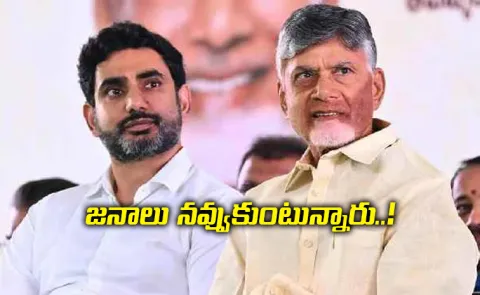
The recent visit of Andhra Pradesh Chief Minister N. Chandrababu Naidu to Davos has sparked a heated debate regarding the actual benefits of such high-profile trips. Minister Lokesh, Naidu’s son, expressed skepticism about the potential for investments, questioning whether anyone would invest just by looking at the faces of Team 11. He remarked that while they are striving to bring investments, it seems others are merely crying over missed opportunities.
Social media influencer P.V.S. Sharma countered this sentiment, asking if the trip to Davos was truly for attracting investments or merely a platform for political theatrics. He provocatively suggested that if the intent was investment, it could have been done locally, saving the state millions. This sentiment reflects a growing skepticism about the efficacy of such trips, with many questioning whether the political showmanship is overshadowing real economic engagement.
During his speech, Lokesh praised his father, claiming that industrialists are drawn to Andhra Pradesh because of Chandrababu’s unique vision and leadership. He urged everyone to follow his father blindly, emphasizing the importance of his brand value in attracting investments. However, critics have pointed out that the state is offering land at merely 99 paise per acre, questioning whether this truly reflects the value of Chandrababu’s leadership.
Critics have also pointed to the controversial nature of the claims made by Chandrababu, particularly regarding the announcement of a staggering 20 lakh crores in investments and 23 lakh crores in job opportunities. In a recent interview, when a journalist expressed disbelief over these figures, Chandrababu appeared to falter in his explanation, leading to accusations of inconsistency and lack of clarity in his statements. Observers noted that for several years, there seems to have been a disconnect in Chandrababu’s rhetoric, raising concerns about the credibility of his claims.
There are also allegations that the current administration is attempting to distort the narrative around investments and job creation. While some industrialists may indeed be interested in Andhra Pradesh, the manner in which these opportunities are presented has drawn scrutiny. Critics argue that artificial inflation of figures does more harm than good in the long run, potentially damaging the state’s image and investor confidence.
Additional criticisms have emerged regarding the perceived hypocrisy in Lokesh’s approach, as he appears to echo his father’s political style, which some say is characterized by exaggeration and hyperbole. The social media landscape has amplified these criticisms, with many pointing out that Lokesh’s attempts to engage in political discourse might not resonate well with the electorate, especially if they are perceived as mere rhetoric.
As the discourse surrounding the Davos trip unfolds, many are questioning the necessity of such elaborate political performances. Some analysts have pointed out that if investments were genuinely forthcoming, there would be no need for extravagant trips to showcase them. The overarching question remains: are these trips serving the purpose of promoting Andhra Pradesh’s brand, or are they simply contributing to a cycle of political drama?
With the backdrop of heightened scrutiny and skepticism, the impact of Chandrababu and Lokesh’s strategies in fostering real economic growth and attracting genuine investments in Andhra Pradesh is now under the microscope. Observers are left to ponder whether the efforts made in Davos will translate into tangible benefits for the state or if they will be remembered as another chapter of political spectacle devoid of substance.