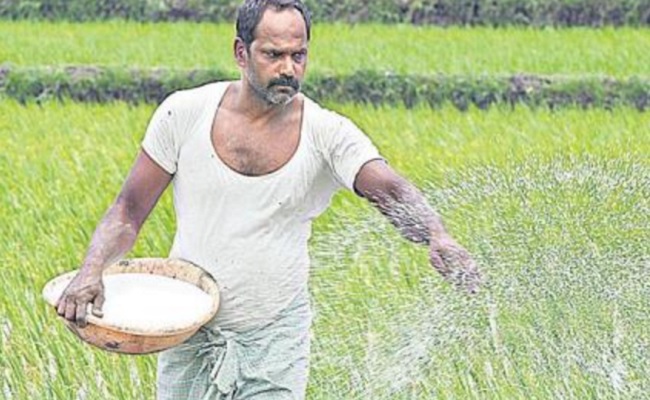
Farmers in Andhra Pradesh are facing significant financial challenges, as the total crop loans taken by them have reached a staggering ₹3.76 lakh crore by September 30, 2023. Despite the Andhra Pradesh government’s assurances of financial support through initiatives like Rythu Bharosa and Annadata Sukhibhava, the situation on the ground tells a different story.
The Rythu Bharosa scheme, which was launched with the aim of providing assistance to the agricultural sector, has been touted by officials as a substantial step towards improving the livelihoods of farmers. However, many farmers express skepticism about the efficacy of these programs. Critics argue that while government schemes are promoted as relief measures, they often fall short of delivering tangible support when farmers are grappling with mounting debts.
As the agricultural sector is beset with various adversities—ranging from unpredictable weather patterns to rising input costs—the ballooning loan amounts have left many farmers in a precarious situation. The stark reality of these loans reflects a deeper systemic issue in Andhra Pradesh’s agricultural framework, raising questions about sustainability and future viability for the farmers.
The Andhra Pradesh government has been under intense scrutiny for its handling of the agricultural economy. Farmers are increasingly voicing their concerns through protests and local gatherings, demanding better financial management and more effective support systems. Many argue that without substantial reforms and effective implementation of aid programs, their struggles will only intensify.
Moreover, as agricultural debts continue to escalate, the risk of crop failures linked to climate change and market fluctuations adds another layer of complexity. Farmers find themselves trapped in a cycle of debt that is hard to break, leading to distress and, in some severe cases, even suicides. Organizations advocating for farmer rights are calling for a reassessment of the financial policies aimed at this crucial sector, emphasizing the need for reforms that offer genuine relief rather than temporary fixes.
Despite the dire circumstances, some farmers remain hopeful that dialogue with the government will yield positive changes. Meetings and discussions focusing on the plight of those in the agriculture sector are being organized to re-evaluate current support schemes. The aim is to create more targeted relief measures that address the specific needs of farmers rather than blanket policies that may not translate to real-world benefits.
The government’s continued commitment to aid farmers will be essential to ameliorating the current crisis. As agricultural stakeholders evaluate their options, the focus remains on crafting a sustainable and resilient framework that not only alleviates debt but also empowers farmers for future challenges. With the growing pressure for reform, it remains to be seen how effectively the Andhra Pradesh government will respond to the pressing needs of its agricultural community.


