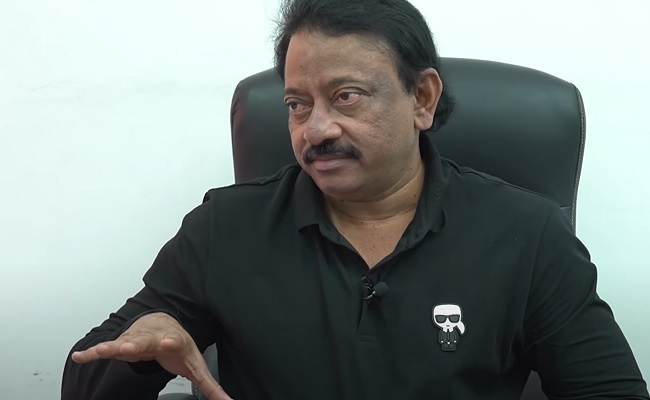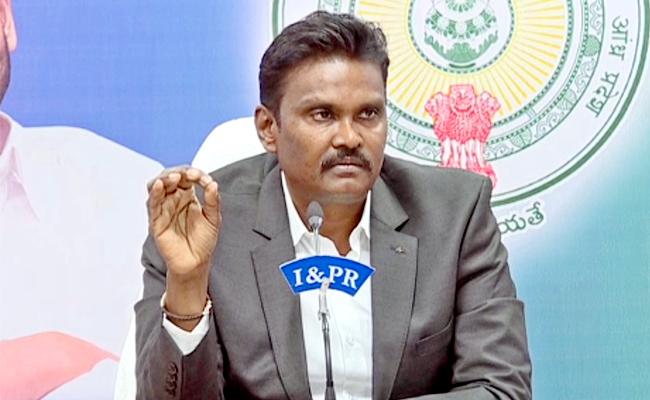
In a significant development in Andhra Pradesh, Deputy Speaker K Raghu Ramakrishnam Raju has formally requested the Department of Personnel and Training (DoPT) to take immediate disciplinary action against suspended senior IPS officer PV Sunil Kumar. The call for action stems from Kumar’s recent public statements that have been labeled as politically provocative and caste-centric.
The comments made by Kumar have sparked considerable controversy, prompting Raju to voice his concerns regarding their potential impact on social harmony within the state. In his letter to the DoPT, he described Kumar’s remarks as inflammatory, suggesting they could exacerbate existing tensions between communities, particularly between the Kapus and Dalits.
Raju’s appeal underscores the sensitive nature of caste dynamics in Andhra Pradesh, where historically, tensions have run high among various social groups. The Deputy Speaker’s remarks reflect a growing unease within political circles, concerned that such statements could lead to unrest and divisiveness.
Kumar, who was suspended earlier this year due to an unrelated issue, has been in the public eye for his outspoken views. His recent comments, fueled by a desire for unity among the Kapu and Dalit communities, have been met with mixed reactions. Supporters argue that he is merely advocating for solidarity among marginalized groups, while critics contend that his approach could agitate rather than unify.
The ramifications of Kumar’s statements, along with Raju’s subsequent letter, have ignited a debate around the responsibilities of public officials in promoting communal harmony. Many stakeholders, including political leaders, social activists, and citizens, have expressed varying opinions on the matter, highlighting the complexities surrounding caste relations in the region.
In a state long grappling with the ramifications of caste politics, Raju’s actions may serve as a pivotal moment in addressing how such public comments are handled by governing bodies. As the situation unfolds, it remains to be seen how the DoPT will respond to the Deputy Speaker’s request and what the implications may be for Kumar, both personally and professionally.
As the discourse continues, community leaders and political figures alike are emphasizing the need for constructive dialogue to foster unity rather than division. The situation presents an opportunity for deeper engagement among the Kapu and Dalit communities, aiming to bridge gaps that have historically separated them.
The call for unity resonates with many citizens who desire a peaceful coexistence and are wary of the potential consequences of inflammatory rhetoric. As stakeholders await a response from the DoPT, the community remains hopeful that constructive measures will be taken to ensure that caste-based tensions do not escalate further in Andhra Pradesh.