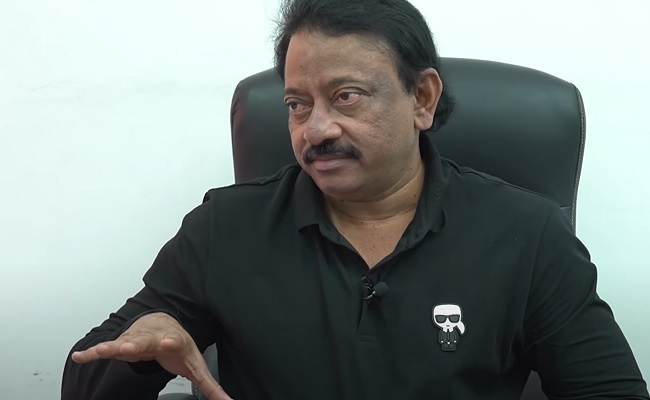
Renowned filmmaker Ram Gopal Varma has made headlines with his bold statement, declaring that “education is dead” in the wake of the rapid advancements in Artificial Intelligence (AI). In a recent interview, Varma expressed his concerns that traditional educational systems, including universities and outdated boards, are unprepared for the sweeping changes that AI is introducing to the landscape of learning and employment.
According to Varma, the rise of AI technology is inevitable and will move forward without waiting for the current educational frameworks to catch up. He emphasized that institutions that do not evolve in response to these changes will face obsolescence. “AI is evolving too quickly for our educational systems to adapt effectively,” he warned. “Those who do not adjust will be left behind, and the first victims of this transformation will undoubtedly be students.”
Varma’s comments come at a time when the integration of AI into various sectors, including education, is gathering momentum. High-tech tools are already reshaping how students learn and interact with content, potentially diminishing the relevance of conventional teaching methods. Educational institutions will need to reconsider their curricula and adopt more progressive approaches that embrace technological advancements.
The filmmaker highlights a growing need for educational reform, advocating for a system that prioritizes adaptability and forward-thinking strategies. He believes that young people today must be equipped with skills relevant to an AI-driven future rather than being confined to outdated models of learning. Throughout the discussion, Varma emphasized the necessity for students to cultivate a mindset geared towards continuous learning and innovation.
Critics of the current educational paradigm have echoed Varma’s sentiments, pointing out that many universities continue to rely on outdated methodologies that do not prepare students for the dynamic demands of today’s job market. Advocates argue for a curriculum that fosters creativity, problem-solving, and digital literacy—skills essential for thriving in an AI-centric world.
As technology continues to advance at a blitzing pace, the question remains whether educational institutions will heed Varma’s warning or risk becoming relics of a bygone era. With significant implications for students’ futures, the conversation about AI and education is more crucial than ever. Stakeholders, including educators, policymakers, and technology leaders, may need to collaborate in redefining educational standards and approaches to ensure that the next generation is not left behind.
In conclusion, Ram Gopal Varma’s stark declaration invites a critical examination of the current educational systems. It poses an urgent challenge for institutions to innovate and adapt in a world increasingly dominated by Artificial Intelligence. As the wave of change continues to swell, it is imperative that education evolves to keep pace with the future or face the potential for irrelevance. Students, as the primary beneficiaries of education, deserve a system that prepares them for a rapidly changing world.