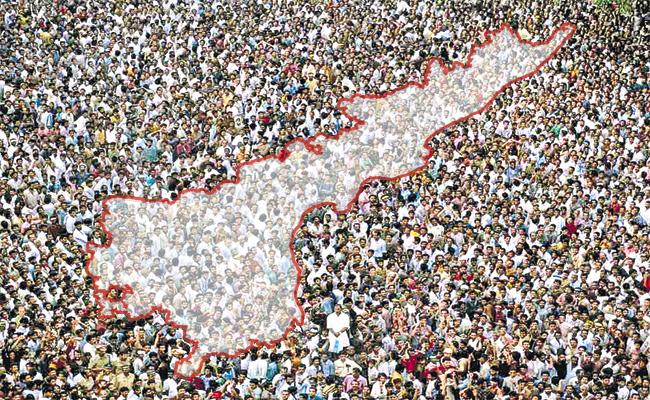
In the current landscape of Andhra Pradesh, a marked contrast exists between regions of peace and those experiencing unrest. Among the various districts, Rayalaseema stands out as the only area that appears to maintain a semblance of tranquility amidst rising tensions elsewhere in the state. As political dynamics shift and social issues come to the forefront, understanding the factors contributing to this regional stability becomes essential.
Rayalaseema, which encompasses the districts of Chittoor, Ananthapur, Kadapa, and Kurnool, has historically been characterized by its unique cultural identity and agricultural economy. While other regions of Andhra Pradesh grapple with protests and civil unrest, Rayalaseema has largely avoided the turmoil that has plagued urban centers like Amaravati and Visakhapatnam. This relative peace can be attributed to a combination of socio-economic factors, including a strong community bond and a lower population density, which tends to mitigate the friction often seen in more densely populated areas.
However, the peaceful demeanor of Rayalaseema does not mean it is devoid of challenges. The region faces its share of issues, such as water scarcity and agricultural distress, which have been exacerbated by changing climate patterns. Farmers in Rayalaseema have expressed concerns over dwindling resources and the need for sustainable practices. Nevertheless, the community’s resilience and collaborative efforts have allowed them to navigate these challenges without falling into the cycle of unrest seen in other regions.
In contrast, areas like Amaravati have witnessed significant agitation as farmers and landowners protest against government policies regarding land acquisition and development. The push for a new capital city has ignited tensions, raising questions about displacement and the rights of local communities. The unrest in these areas has drawn national attention, highlighting the complexities of governance and the need for dialogue between the state and its citizens.
The juxtaposition of peaceful Rayalaseema against the backdrop of unrest in other parts of Andhra Pradesh raises critical questions about governance and regional development. Policymakers must pay attention to the lessons from Rayalaseema, where community engagement and grassroots initiatives have fostered a sense of stability. Ensuring that the voices of local populations are heard can be an essential step toward mitigating conflict and promoting harmony across the state.
As Andhra Pradesh continues to navigate its socio-political landscape, the contrasting experiences of its regions provide valuable insights into the importance of addressing underlying issues that fuel unrest. While Rayalaseema remains a beacon of peace, it serves as a reminder that sustained tranquility requires ongoing effort, dialogue, and investment in the well-being of all citizens. Moving forward, it is crucial for state leaders to foster an environment that prioritizes collaboration and inclusivity, paving the way for a more stable future for all of Andhra Pradesh.


