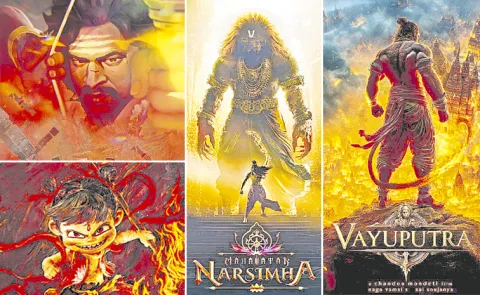
Animation movies are currently experiencing a surge in popularity, thanks to the groundbreaking works of directors like S.S. Rajamouli. With hits like “Baahubali” and “RRR,” audiences have been captivated by the dynamic action sequences and compelling storytelling. The characters from these films, including iconic figures such as Amarendra Baahubali and Komaram Bheem, are set to make their animated debuts, offering a thrilling new perspective on their stories.
The success of animated films has led to an unprecedented increase in their production, driven by a growing audience and substantial box office returns. Recently, Rajamouli announced that the continuation of the “Baahubali” saga will come in the form of an animated feature titled “Baahubali: The Eternal War,” which is expected to be released in 2027. This film will be produced in 3D format with a budget of approximately ₹120 crores and is being developed in collaboration with 88 Pictures, a leading animation studio based in Mumbai.
Rajamouli’s influence on the Indian film industry is evident as he pushes the boundaries of storytelling through animation. The director, known for his exceptional visual effects in films like “Eega” and the “Baahubali” franchise, aims to bring familiar characters back to life alongside new ones, promising audiences an engaging experience. The first teaser for “Baahubali: The Eternal War” has already been released, generating excitement among fans eager for more content from the beloved franchise.
In addition to the “Baahubali” series, the “RRR” universe is also expanding into animation. Rajamouli has hinted at plans for an animated sequel to “RRR,” which was a massive success, particularly with its hit song “Naatu Naatu,” which won an Oscar. This further demonstrates the potential for animated storytelling to continue the narratives of popular live-action films.
The animation sector is not only thriving in adaptations of existing stories but is also exploring new ideas. Upcoming projects such as “Vaayuputra,” based on the life of the mythological character Hanuman, are in the pipeline, showcasing the industry’s interest in cultural narratives. Scheduled for release in multiple languages, this film aims to cater to a diverse audience while keeping traditional stories alive.
Moreover, the success of “Mahavatar Narasimha,” which grossed over ₹350 crores at the box office, has set a precedent for future animated projects. The film’s unexpected success highlights the potential for animated films to resonate with audiences, paving the way for more adaptations of Indian epics like “Ramayana” and “Mahabharata.” With more animation studios entering the market, the landscape is changing rapidly.
As the demand for animated films continues to grow, new projects are emerging, including “Pinakin,” an animation centered around Lord Shiva, and “Kiki and Coco,” aimed at younger audiences. These films, along with others based on Indian mythology, reflect a shift in focus towards creating engaging content that resonates with both children and adults.
In summary, the Indian animation industry is evolving, with directors like Rajamouli leading the charge into a new era of storytelling that combines traditional narratives with innovative animation techniques. As more projects are announced and developed, it is clear that animation will play a significant role in shaping the future of Indian cinema.