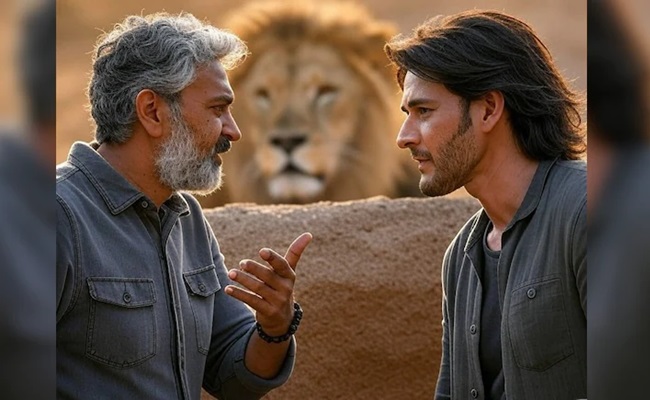
Renowned filmmaker S.S. Rajamouli is not the only creative force in his family; his father, Vijayendra Prasad, has made significant contributions to Indian cinema as a screenwriter. Known for penning scripts for blockbuster films, including Mahesh Babu’s ‘Varanasi’, Vijayendra Prasad is currently busy crafting stories for several upcoming projects. However, it was his remarks at a recent event that captured widespread attention.
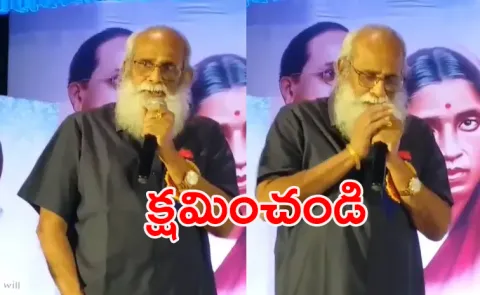
On Tuesday night, Vijayendra Prasad attended the Mata Rambai Ambedkar Memorial Awards ceremony held at Ravindra Bharathi in Hyderabad. During the event, he made shocking statements about his family’s past, which sparked conversations across social media platforms. Reflecting on the legacy of his ancestors, he expressed a deep sense of shame and remorse for their actions. “We come from a wealthy family, and I have never committed any wrong myself. However, our ancestors committed horrific atrocities in the name of untouchability. Remembering those times fills my heart with shame and humiliation. I bow my head and seek forgiveness from all of you. Please forgive me. Please forgive me,” he stated emotionally.
His candid acknowledgment of his family’s history serves as a reminder of the societal issues surrounding caste and discrimination that persist in India today. Vijayendra Prasad’s words resonated with many, prompting discussions about the importance of addressing past injustices while striving towards a more equitable future.
In addition to his reflective comments, Vijayendra Prasad mentioned that a photograph of Dr. B.R. Ambedkar, the revered social reformer and architect of the Indian Constitution, remains the only image in his office. He revealed that he is currently researching for a film centered around Ambedkar, indicating his commitment to telling stories that highlight significant social issues.
Vijayendra Prasad’s remarks have not only made headlines but also sparked conversations about the responsibility of individuals to acknowledge and learn from history. His call for forgiveness emphasizes the importance of humility and the need to confront uncomfortable truths about one’s heritage.
As the film industry continues to evolve, Vijendra Prasad’s statements reflect a growing awareness among filmmakers regarding their societal responsibilities. With filmmakers like him willing to address complex themes and narratives, the potential for cinema to contribute positively to social discourse becomes increasingly promising.
In a world where the past often influences the present, Vijayendra Prasad’s recognition of his family’s history may serve as an inspiring call to action for others in the industry and beyond. By fostering dialogue around such critical issues, the hope remains that future generations can build a more inclusive and understanding society.