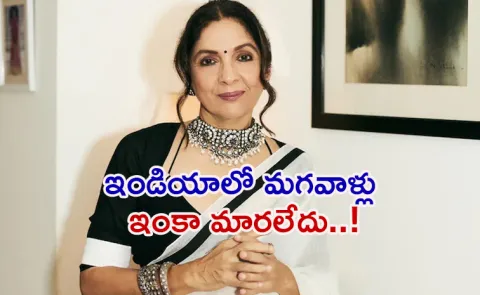
Bollywood actress Neena Gupta has sparked controversy with her recent comments about societal expectations surrounding marriage and virginity. Known for her bold personality and candid views, Gupta has once again brought the spotlight on the pervasive gender biases that women in India continue to face. Her remarks come in the wake of a discussion regarding women’s rights and personal freedom, areas she has frequently advocated for throughout her career.
Neena Gupta, who gained fame for her roles alongside stars like Madhuri Dixit and Sanjay Dutt, has a unique place in Bollywood not just for her acting prowess but also for her unconventional personal life choices. At the age of 30, she became a single mother when she welcomed her daughter, Masaba. The identity of Masaba’s father, West Indies cricketer Vivian Richards, was revealed later, yet Gupta has continued to lead her life on her own terms, emphasizing that while she shares her experiences, she does not intend to dictate others’ paths.
In a recent interview, Gupta addressed the lingering societal norms that dictate women’s lives after marriage, highlighting the patriarchal structure that still exists in India. She raised questions about the obsession with virginity in traditional Indian society, asking whether it is still a significant issue today. “Are you talking about India? What has changed here?” she challenged, suggesting that despite some progress, deep-rooted attitudes remain prevalent.
According to Gupta, many men still prefer to marry women who are virgins, a sentiment she argues is not just confined to rural areas but also exists among urban dwellers who speak English and appear open-minded. “They too desire a virgin wife,” she stated, questioning the assumption that societal attitudes have evolved. Gupta pointed out that many people still hold onto traditional practices, such as women reverently touching their in-laws’ feet, reflecting a continuation of submissive behavior.
In an ironic twist, she pointed out that those who claim to be progressive are often disconnected from the reality of women’s experiences in India. “Dressed well and speaking eloquently does not represent India,” she remarked, adding a layer of sarcasm to her critique of societal norms.
To further illustrate her point, Gupta shared anecdotes from her own family. She recounted a story about a relative who faced discrimination even after marrying a successful man in Mumbai. The woman was not allowed to practice her faith freely, as her family insisted on adhering to their traditions, highlighting the control exerted over women’s choices, even in seemingly modern settings.
Gupta’s reflections did not stop there; she also recounted her niece’s struggles with her mother-in-law, who forbade her from displaying a family photo on her bedside table. These personal stories underscore the ongoing challenges women face, even within educated and urban environments.
In conclusion, Neena Gupta’s remarks serve as a poignant reminder that while conversations around women’s rights have gained traction, significant work remains to be done in changing the ingrained attitudes that limit women’s freedoms. Her boldness in speaking out against these issues continues to resonate, inspiring discourse on the need for real change in Indian society.


