In recent years, the film industry has witnessed a significant shift in marketing strategies, particularly among small- and medium-budget films. The trend of hosting paid premiere shows has emerged as a popular tactic to generate buzz and hype around these lesser-known projects. As studios look for innovative ways to capture audience attention and maximize revenue, the question arises: are these gimmicks truly effective in manufacturing hype, or are they merely a fleeting trend?
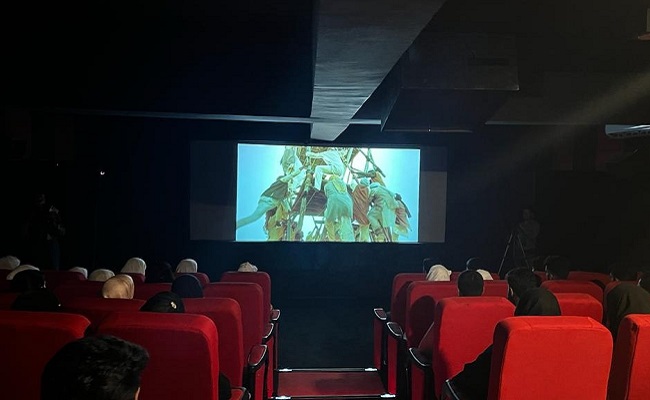
The concept of paid premieres is not entirely new, but its popularity has surged as filmmakers and distributors seek alternatives to traditional marketing. These events, where fans are required to purchase tickets to attend an exclusive screening, are designed to create an aura of excitement and exclusivity. By charging for tickets, filmmakers hope to not only recoup some of their production costs but also cultivate a sense of urgency among potential viewers, leading to increased talkability and social media engagement.
For many small films, the stakes have never been higher. With limited budgets and competition from high-budget blockbusters, the pressure to stand out is intense. Filmmakers often find themselves navigating a crowded marketplace where attention spans are short, and audiences are bombarded with options. Paid premiere shows, therefore, represent a strategic gamble that could pay off if executed correctly. Early adopters of this model have reported varying degrees of success, with some films experiencing a surge in viewership and others struggling to maintain momentum post-premiere.
Critics of the paid premiere trend argue that it may alienate potential viewers who are unwilling to pay for a ticket without first knowing if the film is worth their investment. This concern raises important questions about accessibility and inclusivity in the film industry. If only those able to afford the ticket prices can see these films first, the diversity of audience engagement may be compromised, ultimately affecting the film’s long-term success and cultural impact.
Moreover, some industry insiders suggest that the reliance on gimmicks like paid premieres could detract from the storytelling itself. By focusing on creating hype through marketing tactics, filmmakers might inadvertently prioritize buzz over substance, leading to disappointment among audiences who feel misled or overhyped. In a world where authenticity and word-of-mouth recommendations are paramount, the balance between marketing strategies and genuine storytelling becomes crucial.
As the trend continues to unfold, many are left pondering what the future holds for small- and medium-budget films in an increasingly competitive landscape. Will the allure of paid premieres continue to draw audiences, or will the novelty wear off, leaving filmmakers to reevaluate their approach to promotion? As filmmakers experiment with this new strategy, the industry watches closely, eager to learn from the successes and missteps of their peers.
Ultimately, the question remains whether these gimmicks can genuinely manufacture hype or if they simply serve as a temporary fix in a rapidly evolving film market. As independent cinema strives to carve its niche, the balance between creative storytelling and innovative marketing will be essential in determining the trajectory of these films and their reception among audiences.