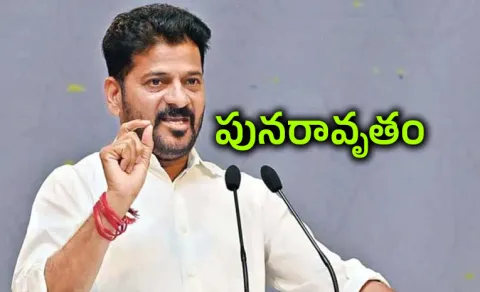
The recent participation of Telangana Chief Minister Revanth Reddy in a leadership course at Harvard University has sparked considerable discussion among political observers. While his attendance at such a prestigious institution is commendable, many are left wondering about the impact of this experience on his political approach. Upon returning to Hyderabad, Reddy seems to have reverted to the tactics of a seasoned politician, showing little change in his rhetoric or demeanor.
As the municipal elections draw near, Reddy has ramped up his criticisms against the ruling Bharat Rashtra Samithi (BRS) and its leader K. Chandrashekar Rao (KCR). His speeches at campaign rallies indicate a strategic aim to galvanize support within the Congress party and attract public attention through sharp attacks on his opponents. Although municipal elections typically focus on local issues, the current political climate has turned these elections into a high-stakes battle, with both Congress and BRS vying for an upper hand.
Reddy’s insistence that Congress should secure at least 90% of the seats is indicative of the pressure he feels as a leader. However, instead of highlighting government development programs or fulfilling campaign promises, his speeches predominantly focus on criticisms of KCR and the BRS. This approach raises questions about his ability to connect with the electorate on substantive issues. Recent remarks made by him, which include personal attacks on KCR, suggest a strategy that may deepen political animosities rather than foster constructive dialogue.
In a particularly controversial statement, Reddy declared that true leaders are those who have made sacrifices for Telangana, pointing to figures like Professor Jayashankar as a genuine leader, contrasting them with KCR. His comments about phone tap scandals involving judges and movie stars have also stirred debate, with some questioning the validity of these allegations. Critics argue that such claims lack substantive evidence and may detract from pressing local issues that require attention.
Accusations of personal attacks have also emerged, drawing parallels to past political strategies employed by Andhra Pradesh Chief Minister N. Chandrababu Naidu. Reddy’s rhetoric, reminiscent of Naidu’s past tactics, raises concerns about the potential for increased hostility between political parties. The political landscape is becoming increasingly muddied, as accusations fly regarding secret alliances and corrupt practices, particularly in the context of KCR’s leadership and the recent controversies surrounding the Kaleshwaram project.
Amidst these turbulent discussions, Reddy’s political trajectory continues to be scrutinized. Having faced legal challenges in the past and even spending time in jail, his rise to the position of PCC president and now Chief Minister has been notable. However, many are questioning whether his current strategy, characterized by personal attacks and a lack of focus on governance, will yield the desired results.
The discourse around Reddy’s comments and strategies illustrates a broader trend in Indian politics, where personal rivalries often overshadow substantive policy debates. As the municipal elections approach, it remains to be seen whether Reddy can pivot from a focus on attacks to a more constructive engagement with voters. There is a palpable concern that if personal grievances continue to dominate the political conversation, the real issues facing the electorate will remain unaddressed, potentially impacting the future of both Congress and BRS in Telangana.

