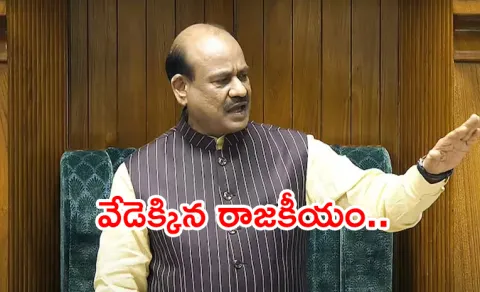
New Delhi: Tensions are rising in the Lok Sabha as opposition parties reportedly plan to introduce a no-confidence motion against Speaker Om Birla. This decision comes in the wake of strong objections raised by opposition leaders, particularly Congress leader Rahul Gandhi, regarding the recent suspension of eight Congress MPs and the abrupt cutting of microphones during debates.
The political atmosphere in the Lok Sabha has become increasingly heated, with allegations that Speaker Birla has been acting in a biased manner. Opposition parties have expressed their concerns over what they perceive as a lack of impartiality in his conduct. In response to these grievances, they are expected to issue notices to Birla today, signaling their intent to challenge his authority.
Sources indicate that the opposition is preparing to invoke Article 94C of the Constitution to formally move the no-confidence motion against Speaker Birla. This follows a series of incidents that have raised questions about the management of parliamentary proceedings, particularly during discussions related to national security and recent comments made by Prime Minister Narendra Modi regarding China, which Rahul Gandhi has criticized.
During a recent session, Speaker Birla and BJP MPs intervened to prevent Gandhi from referencing sensitive material from Army General Naravane’s book, further exacerbating tensions. Additionally, during a motion thanking the President for his address, Gandhi was denied the opportunity to speak, leading to protests from Congress members.
This is not the first time the opposition has attempted to challenge parliamentary leadership. Previously, the Congress party attempted to bring a no-confidence motion against Rajya Sabha Chairman Jagdeep Dhankhar, coinciding with a controversial court ruling that sentenced Gandhi to two years in prison. Although he was granted time to appeal, a notification disqualifying him from the Parliament was issued, igniting further discontent within the party.
For the no-confidence motion to proceed, the opposition will need the backing of at least 50 MPs. Reports suggest that the opposition plans to introduce the motion during the second part of the ongoing budget session, as it requires a 20-day notice period. The grounds for this motion include restrictions placed on the Leader of the Opposition’s ability to speak, as well as the naming of women MPs by the Chair, which the opposition claims is a violation of parliamentary decorum.
The situation in the Lok Sabha continues to unfold, with both sides preparing for a significant political showdown. As the opposition gears up to challenge Speaker Birla’s leadership, it remains to be seen how the ruling party will respond to these mounting pressures and whether this controversy will lead to larger implications for parliamentary conduct and governance in India.