In a significant development in Telangana’s political landscape, former Chief Minister and BRS leader K. Chandrashekar Rao (KCR) has come under scrutiny as the Special Investigation Team (SIT) issued notices regarding a phone tapping case that has stirred up controversy. Chief Minister Revanth Reddy made crucial statements during an event hosted by Ravi Narayan Reddy, addressing the implications of these notices and the broader political ramifications.
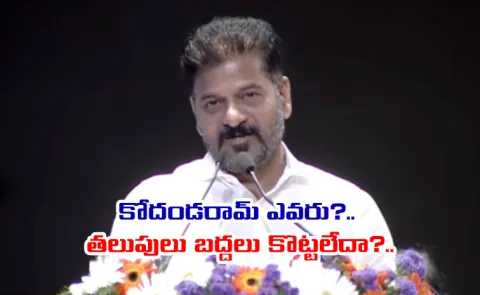
During his address, Revanth Reddy questioned the rationale behind sending notices to KCR, indicating that it equates to issuing notices to the entire Telangana society for the alleged mistakes of one individual. He emphasized the absurdity of targeting a movement leader, suggesting that the accusations against KCR are politically motivated. Reddy highlighted that the term ‘movement leader’ is often self-assumed by those in power, raising concerns about the authenticity of their claims.
Reddy also defended well-known Telangana activist K. Kodandaram, asserting that he, too, is a legitimate movement leader deserving of respect. He pointed out the irony in KCR’s past actions during his administration, which allegedly included humiliating activists. Reddy’s remarks suggest that the previous BRS government was not above reproach, implying that they had their share of missteps while in power.
The Chief Minister further criticized the current political environment, asserting that while KCR’s past administration may have avoided direct confrontation with activists, it did not shy away from consolidating power and distributing contracts and resources among allies. Reddy firmly stated that wrongdoing should be investigated, and there is no place for impunity in governance. He called for accountability, referencing other political figures, such as Shibu Soren, who have faced scrutiny in similar circumstances.
In addition to addressing the SIT investigation, Revanth Reddy launched a scathing critique of the Bharatiya Janata Party (BJP) and its policies. He accused the BJP of attempting to undermine the constitutional right to vote, labeling the introduction of the SIR (Special Investigation Report) as a conspiracy against the electorate. Reddy urged the Communist Party and other political entities to raise awareness in villages about what he perceives as an attack on democracy.
Reddy’s comments signal a call to action for political mobilization among the people of Telangana, emphasizing the importance of standing up against perceived injustices. He rallied his supporters to foster a sense of awareness and vigilance regarding constitutional rights, asserting that the ongoing assault on democratic principles must be met with collective resistance.
As the political drama unfolds in Telangana, the implications of the SIT investigation and Reddy’s statements may have far-reaching effects on the future of regional politics. The interplay between accountability, governance, and political activism remains at the forefront of this evolving narrative, as stakeholders from various factions prepare for potential shifts in the political landscape.