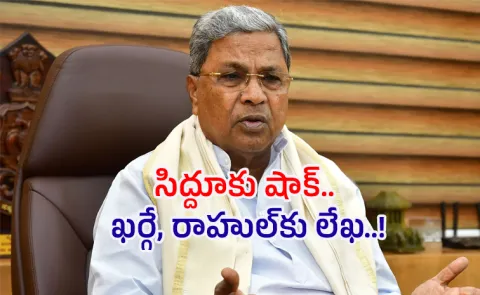
Bengaluru: A political storm is brewing in Karnataka as Chief Minister Siddaramaiah faces fresh allegations of corruption amidst ongoing discussions about a potential change in leadership. Representatives from the Karnataka Wine Merchants Association have accused the state government of being embroiled in a massive liquor scam, estimated to involve nearly ₹6,000 crores. This revelation has triggered significant political upheaval, with discussions surrounding the liquor trade taking center stage.
According to the association, the government has been accused of accepting bribes ranging from ₹30 lakhs to ₹70 lakhs for the issuance of CL-7 licenses related to liquor sales. These allegations suggest that the total amount siphoned off could be as high as ₹6,000 crores. The association has claimed that this corrupt practice involves not just the Excise Minister R.B. Thimmapur, but also three deputy commissioners from the Excise Department, nine superintendents, thirteen deputy superintendents, and twenty excise inspectors.
In light of these serious allegations, the Karnataka Wine Merchants Association announced its intention to write to Congress President Mallikarjun Kharge and senior party leader Rahul Gandhi regarding the liquor scam. The association has expressed deep frustration over what it describes as rampant corruption under Siddaramaiah’s two-year administration, labeling it a “hotbed of corruption.” They pointed out that a ₹700 crore scam is currently unfolding within the Excise Department, and they have lodged a complaint with the Chief Minister, the Governor, and the Lokayukta, demanding accountability.
Despite the gravity of the situation, critics argue that the Siddaramaiah government has failed to take appropriate action against the implicated officials, leading to an escalation of the scam’s severity. This has redirected public attention towards the liquor trade in Karnataka, sparking discussions about the extent of corruption within the industry.
Meanwhile, hotel and boarding house owners in upscale areas of Bengaluru have been acquiring special CL-7 licenses to serve liquor to their customers. Depending on the location, these licenses can cost between ₹1 crore and ₹2 crores. Officials have indicated that this licensing system is in place to regulate the liquor trade in the city.
In response to the allegations, Minister Thimmapur has dismissed the claims as baseless, asserting that there is no truth to the accusations. He promised to address the matter in the assembly, aiming to quell the growing concerns surrounding the issue. Opposition leaders have seized on the opportunity, criticizing the Congress government for neglecting governance and becoming mired in corruption scandals.
As the situation develops, the implications for Siddaramaiah’s administration could be significant. With the state gearing up for upcoming elections, the pressure is mounting on the government to respond decisively to these allegations and restore public trust. The unfolding drama in Karnataka reflects the broader challenges faced by political leaders in maintaining integrity amid accusations of corruption.


