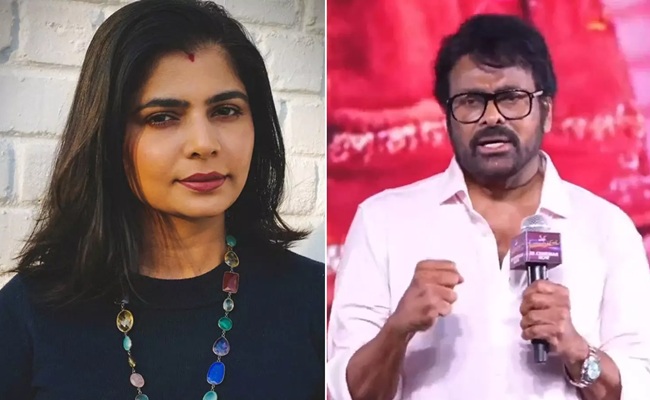
Chinmayi Sripaada, a prominent singer and a vocal advocate for the #MeToo movement, has recently taken a stand against legendary actor Chiranjeevi over controversial comments he made regarding the casting couch issue in the Indian film industry. The singer’s response has ignited a conversation about the pervasive problem of exploitation in the entertainment sector, drawing attention to the need for serious discourse and action.
In a recent public statement, Chiranjeevi suggested that the casting couch phenomenon, which refers to the practice of offering roles in exchange for sexual favors, is not as prevalent as it is often portrayed. His remarks were met with significant backlash from various quarters, including Chinmayi, who has been a relentless advocate for survivors of sexual harassment and abuse. She expressed her disappointment over Chiranjeevi’s comments, emphasizing that downplaying the issue only perpetuates the culture of silence and stigma surrounding it.
Chinmayi took to social media platforms to voice her concerns, stating that the casting couch is a reality that many individuals in the film industry have faced, particularly women. She highlighted the importance of acknowledging the issue and supporting those who come forward with their stories. By addressing Chiranjeevi directly, she underscored the influence that prominent figures hold in shaping public perception and discourse around such critical issues.
The singer’s remarks have resonated with many in the industry and beyond, sparking widespread discussions about the need for reform and accountability within the film community. Survivors of harassment have expressed gratitude for Chinmayi’s courage, as she continues to shed light on the dark realities many face in pursuit of their dreams in the film industry.
As the #MeToo movement continues to gain momentum in India, voices like Chinmayi’s are crucial in advocating for change. Her willingness to confront established norms and challenge influential figures serves as a reminder of the ongoing struggle against harassment and exploitation in various sectors, not just in film. The debate surrounding Chiranjeevi’s comments has opened the door for more survivors to share their experiences, fostering a safer environment for dialogue and support.
In response to the public outcry, several industry insiders have also expressed their views on the matter, with many agreeing that the issue must be addressed candidly. The hope is that such discussions will lead to meaningful changes, ensuring that the film industry becomes a safe space for all, free from coercion and abuse.
As this dialogue unfolds, it remains to be seen how industry leaders will respond to the calls for accountability and reform. Chinmayi’s stance serves as a crucial reminder that the fight against harassment is far from over, and that it requires collective effort and unwavering support from all corners of society.