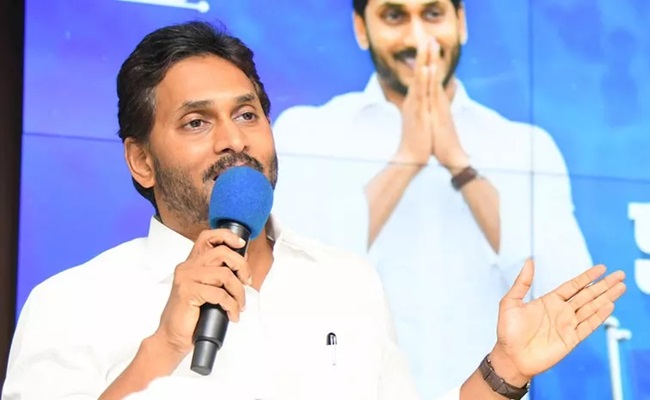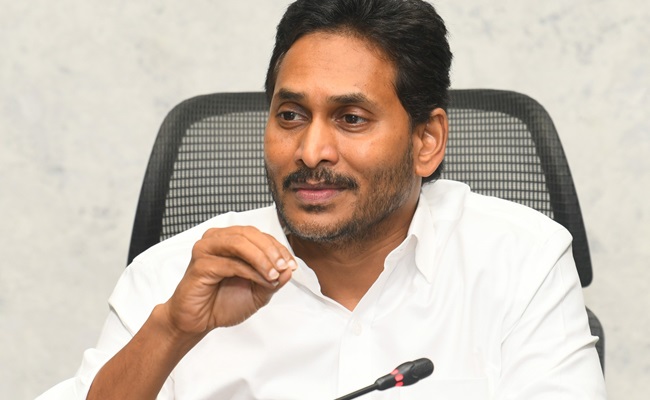
In a bold political statement, Y. S. Jagan Mohan Reddy, the president of the YSR Congress Party, has emphasized the importance of being recognized as the Leader of the Opposition in the Andhra Pradesh Assembly. On Thursday, Jagan made it clear that he sees little value in attending assembly sessions if his status is not officially acknowledged.
This declaration comes amid ongoing tensions between Jagan’s party and the ruling party led by N. Chandrababu Naidu. The rivalry has intensified with allegations and counter-allegations flying between the two political factions, particularly surrounding issues of governance and accountability. Jagan’s assertion highlights his frustration with the current political landscape in Andhra Pradesh, where he feels sidelined in the legislative process.
Jagan’s statement also reflects a broader concern among opposition leaders regarding their roles and the recognition they receive in legislative assemblies across the country. The role of the Leader of the Opposition is crucial for providing checks and balances to the ruling government. Without this designation, opposition leaders like Jagan feel their ability to voice dissent and contribute meaningfully to legislative discussions is severely hindered.
In the past, Jagan has been vocal about what he perceives as the failings of Naidu’s administration, particularly in areas such as infrastructure development and welfare programs. He argues that his party, which has a significant following in the state, deserves a prominent place in the assembly’s proceedings. The YSR Congress Party has been gaining traction among various demographics in Andhra Pradesh, and Jagan’s leadership is central to that growth.
Political analysts suggest that Jagan’s refusal to participate in assembly sessions without his status as Leader of the Opposition could be a strategic move to galvanize support from his constituents. By taking a firm stand, he may be positioning himself as a champion of the people, advocating for their interests against what he describes as a dismissive ruling party.
As tensions escalate, it remains to be seen how Naidu’s government will respond to Jagan’s demands. The political atmosphere in Andhra Pradesh is charged, with both parties preparing for what could be a contentious period ahead. The public will likely be watching closely to see whether Jagan’s stance influences the dynamics of the assembly and the broader political discourse in the state.
Jagan’s call for recognition as the Leader of the Opposition is not just a personal demand; it resonates with a larger narrative about the significance of opposition voices in democratic governance. As the situation unfolds, the implications for Andhra Pradesh’s political landscape could be profound, affecting everything from legislative effectiveness to public trust in governmental institutions.
In conclusion, Jagan Mohan Reddy’s insistence on being acknowledged as the Leader of the Opposition is indicative of the ongoing struggle for power and representation in Andhra Pradesh. His stance may well serve as a catalyst for broader discussions about the role of opposition parties in the legislative process, shaping the future of the state’s political climate.