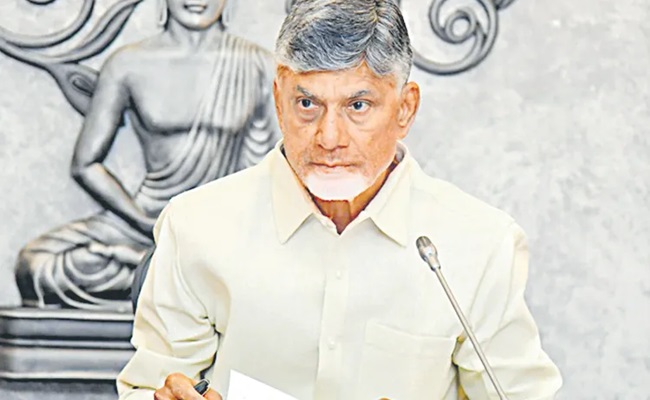
In a candid revelation that has caught both supporters and critics off guard, N Chandrababu Naidu, the president of the Telugu Desam Party (TDP) and the Chief Minister of Andhra Pradesh, acknowledged a growing discontent among the populace. During a recent party meeting, Naidu admitted that citizens at the grassroots level are not fully satisfied with the performance of his government, a statement that has stirred significant conversation across the state.
Naidu’s acknowledgment comes in the wake of various challenges facing his administration, including issues related to unemployment, farmer distress, and infrastructural deficiencies. Despite the government’s efforts to implement numerous welfare schemes, feedback from citizens has indicated that expectations have not been met. This admission suggests an increasing awareness among political leaders about the disconnect that can exist between policy formulation and public sentiment.
In the meeting, Naidu urged party leaders to engage more closely with constituents, emphasizing the necessity to understand their grievances better. He encouraged a renewed focus on grassroots outreach, stating that it is essential to bridge the gap and rebuild public trust. “We need to listen more, engage more, and act more decisively to address their concerns,” he said, signaling a potential shift in strategy for the TDP ahead of future elections.
The Chief Minister’s candidness reflects a broader trend among politicians worldwide, who are increasingly recognizing the importance of connecting with everyday citizens. In Andhra Pradesh, where the electorate is becoming more vocal and aware of governance issues, Naidu’s openness may serve to strengthen ties with voters. Some analysts believe that such admissions can be a double-edged sword; while they may portray a leader’s humility, they can also highlight a perceived failure in leadership and policy execution.
Political analysts argue that Naidu’s admission could either reinvigorate the party’s base or lead to increased criticism from opposition parties, who are quick to point out the shortcomings of the TDP government. Regional parties such as the Yuvajana Sramika Rythu Congress Party (YSRCP) have already capitalized on public dissatisfaction, and Naidu’s comments might give them additional fodder to challenge the TDP’s competency in governance.
As Andhra Pradesh gears up for the upcoming elections, Naidu’s recognition of the electorate’s grievances could serve as a pivotal moment for his campaign strategy. By addressing public dissatisfaction head-on, he may not only mitigate backlash but also create opportunities for genuine engagement with voters. As he seeks to regain trust, the effectiveness of his government’s response to the concerns raised by the public will be crucial in determining the future political landscape of Andhra Pradesh.
In the weeks ahead, it will be interesting to see how the TDP’s implements Naidu’s directive to foster stronger connections with the electorate and whether these efforts can resonate positively with the people who hold the power to shape the state’s political future.

