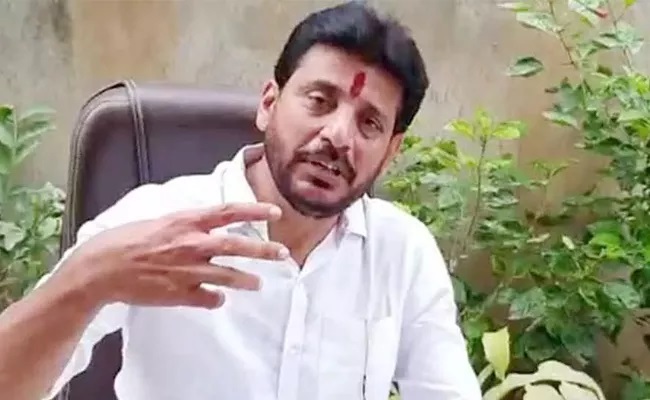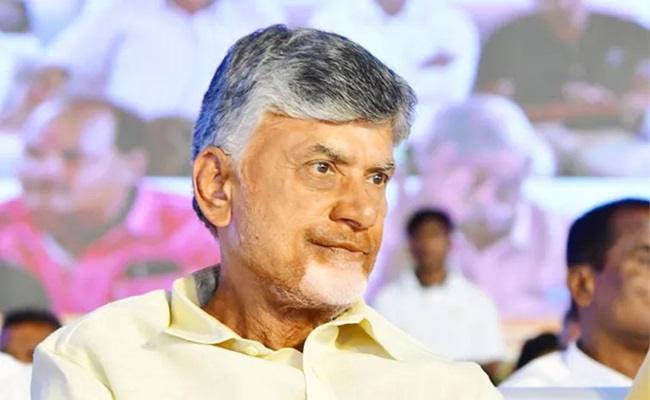
In a surprising move, N. Chandrababu Naidu, the leader of the Telugu Desam Party (TDP), publicly reprimanded his spokesperson G. Deepak Reddy for his confrontational remarks against Republic TV, which is owned by journalist Arnab Goswami. This incident occurred in the wake of the ongoing crisis involving IndiGo Airlines, where Reddy’s comments have elicited concern over their potential impact on the party’s reputation across India.
The situation escalated when Reddy engaged in a heated exchange with representatives from Republic TV, accusing the channel of biased reporting against the TDP. His statements, reflecting a deep-rooted frustration with the media coverage, were perceived as detrimental to the party, especially at a time when maintaining a positive public image is crucial for TDP’s political aspirations.
Naidu’s intervention underscores the importance of messaging and media relations within political frameworks. By stepping in to defend Republic TV, Naidu not only aimed to mitigate the damage caused by Reddy’s comments but also positioned the TDP as an entity that fosters constructive dialogue, even with media outlets that may not always align with its views.
This incident has revealed the complexities of political communication in today’s fast-paced media environment. Experts predict that the backlash from Reddy’s remarks could hinder TDP’s ability to connect with voters, particularly as the party gears up for upcoming elections. Naidu’s leadership style, characterized by strategic communication, might be pivotal in salvaging the party’s image after this incident.
The fallout from this confrontation is being closely monitored by political analysts, who suggest that poorly managed media interactions can easily spiral out of control. In an age where social media amplifies every voice, a single misstep can reverberate across political landscapes. Naidu’s decisive action to clarify the party’s position reveals an acute awareness of these dynamics.
As the TDP looks to regain its footing in the national political sphere, this episode serves as a reminder of the delicate balance between assertiveness and diplomacy. By addressing the issue head-on, Naidu aims to reassure his party members and supporters that unity and professionalism remain paramount, despite the challenges posed by external narratives.
Moving forward, the party is expected to refine its communication strategies, ensuring that all spokespersons align with the TDP’s broader objectives and principles. The incident serves as a pivotal lesson in the intricate relationship between political parties and media, highlighting the necessity for a cooperative approach that promotes dialogue over confrontation.
As the political climate continues to evolve, the TDP’s response to this situation will be critical in shaping its future trajectory. Successful navigation of such challenges is essential not only for maintaining the party’s integrity but also for enhancing its electoral prospects in an increasingly competitive landscape.