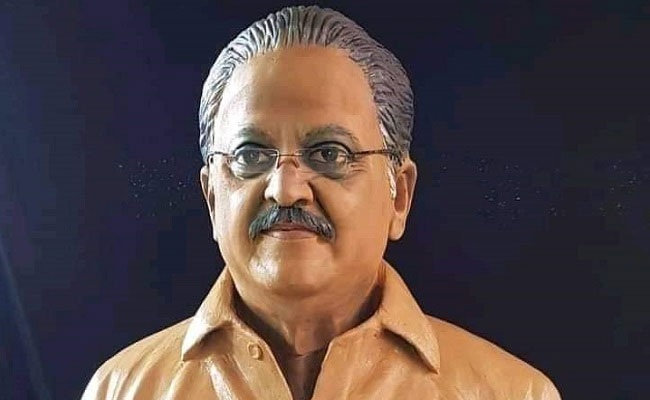
The proposal by the Telangana government to erect a statue of the legendary playback singer S. P. Balasubrahmanyam (SPB) at Ravindra Bharati in Hyderabad has ignited a heated debate on social media, with opinions split between fervent supporters and vocal opponents. SPB, who passed away in 2020, remains an iconic figure in the Indian music industry, having lent his voice to thousands of songs in multiple languages, earning him a devoted fan base across the nation.
Proponents of the statue argue that SPB’s contributions to music and his impact on the cultural landscape of Telangana warrant such an honor. They contend that a statue would serve not only as a tribute to the legendary artist but also as a source of inspiration for future generations of musicians. Many fans reminisce about his melodious voice and the emotional depth it brought to films, considering him a national treasure whose legacy deserves recognition.
On the other hand, critics of the initiative have raised questions about the appropriateness of government funds being used for the statue, especially in a time when public resources could be allocated to pressing social issues. Critics argue that while SPB’s contributions are undeniable, prioritizing a statue over more impactful initiatives such as healthcare or education funding could reflect misplaced priorities. This perspective has resonated with some citizens who believe that honoring an artist should not come at the cost of addressing fundamental societal needs.
The discourse has also highlighted the broader cultural issues at play in Telangana and India as a whole. Supporters allege that this statue symbolizes regional pride and showcases the significant cultural figures that have emerged from the state. This reflects a growing trend where local government initiatives are used to affirm cultural identity through public monuments. However, opponents maintain that such commemorative efforts should not overshadow critical discussions around equity and social justice.
As the conversation unfolds on platforms like Twitter and Facebook, it has become evident that opinions vary widely, representing a spectrum of sentiments. Some users have flooded social media with hashtags both advocating for and opposing the statue, illustrating how deeply personal and emotional such cultural debates can be. The discussion has even inspired comparisons to other public monuments across India, sparking a wider conversation about how public spaces pay homage to artistic legacies.
The Telangana government has yet to finalize the decision regarding the installation, and the prolonged debate suggests that they will need to navigate these divided sentiments carefully. As they consider the voices of both supporters and critics, the government faces the challenge of balancing cultural recognition with responsible governance.
In the end, the proposed statue of SP Balasubrahmanyam serves as more than just a potential landmark; it represents differing perceptions of cultural appreciation and the responsibilities of public funding. As discussions continue, it will be interesting to see how the Telangana government handles this intricate issue and what implications it may have for similar proposals in the future.